Building a 'Time-Out' Perch: A High Refuge for an Overstimulated Cat
Why Your Cat Isn't Being a Jerk, She's Overwhelmed
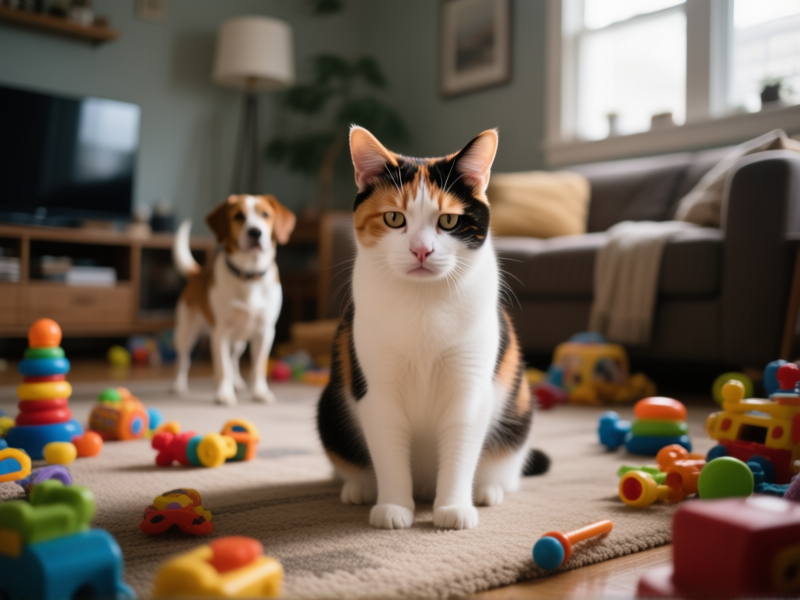
You know the scene. The kids are loud, the dog is zooming, the vacuum is roaring. And there's your cat, glued to the floor, tail twitching like a metronome. She's not plotting world domination (probably). She's drowning. Cats are control freaks about their personal space and stimulus. Ground level equals chaos. They need an escape valve. A diplomatic exit from the nonsense. Think of it less as a piece of furniture and more as a peace treaty for your home.
The Magic of the "Look But Don't Touch" Zone
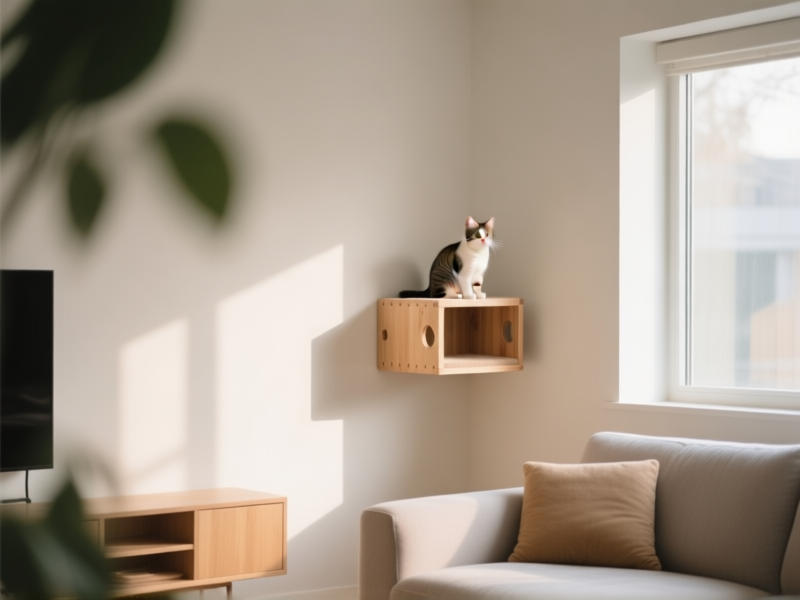
Here's the thing about a dedicated high perch. It's a total game-changer. I said it. It creates a firm rule everyone (including the dog) understands: that space is hers. It's a visual I'm-safe signal. From up there, she can monitor her kingdom without having a panic attack. She can see the toddler stumble by without getting stumbled *on*. It fulfills that deep, hardwired feline need for vertical territory and a predictable safe word. It's her balcony seat to the circus, not the center ring.
Designing the Perfect Panic Room (That Looks Good)
Forget those dinky carpet-covered posts. We're building a fortress. Size matters. The platform needs to be big enough for her to sprawl, not just perch. Go for at least 24x24 inches. Height is non-negotiable—aim for 5 feet minimum. Cats want to get above *our* eye line. The access route is critical. Can't be a single dead-end shelf. She needs a stealthy entry and exit, maybe using a nearby bookcase or a dedicated "step" shelf. No one likes being cornered, especially a cat pretending not to be scared.
Grab Your Tools, This is Easier Than IKEA
You need a plank of sanded wood (pine is fine), one heavy-duty shelf bracket rated for way more than your cat's weight, screws, a drill, and wall anchors. The fancy part? The topping. Skip slippery hardwoods. Get a remnant of carpet, a piece of faux sheepskin, or even a cheap bath mat. Something she can dig her claws into. The bracket gets secured to the wall studs—this is non-negotiable for safety. The board gets attached to the bracket. The cozy topping gets stapled or glued on. Done. Seriously, that's it.
The Grand Opening: Making It Her Idea
Don't just plop her up there. That's like throwing someone into a pool to teach them to swim. Cats hate that. Make it inviting. Sprinkle some catnip on it. Place a favorite treat in the center. Let her discover it and claim it on her terms. The first time she uses it during a chaotic moment, you'll feel like a genius. You've given her a tool to manage her own stress. You've built a refuge, not a cage. And your shins will thank you when the tail-twitching stops.