Fire Retardant Sprays: Are They Safe for Indoor Pet Habitats?
You Love Your Pet's Stuff. But Is it a Fire Hazard?
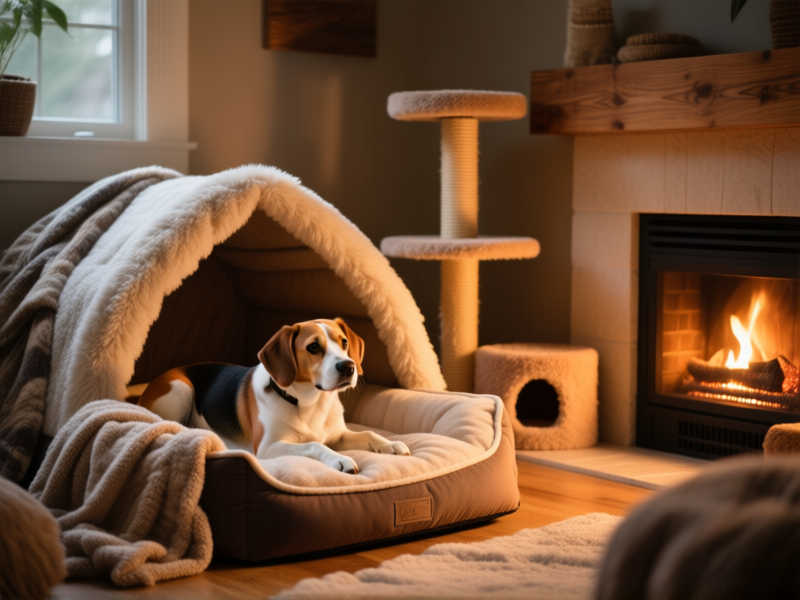
Look at that little kingdom you built. The plush bed, the fluffy blankets draped over the crate, the cat tree by the radiator. It's a palace. It's also, let's be real, a potential tinderbox. We wire our homes, we unplug our toasters, but that pile of pet stuff? It's often an afterthought. A spark from a faulty wire, a candle knocked over, and that comfy den goes up fast. So the thought hits you: maybe I should spray this stuff? It seems like a smart move. But hold on.
The Chemical Cocktail: What's Actually In That Bottle?

Here's the thing they don't put in big letters on the can. Most common fire retardant sprays are loaded with stuff you can't pronounce. Halogens, brominated compounds, organophosphates. Big words for "chemicals that interfere with combustion." Sounds good, right? The problem is what they might interfere with *besides* fire. Your pet's biology. They sniff everything. They lick their paws. They chew their bed. We're talking about direct, constant exposure to a chemical barrier that was designed for curtains and theater drapes, not for a creature that grooms itself 50% of the day. That's the core of the debate.
Safety First? Weighing the Very Real Risks
Okay, so it *might* be bad. But how bad? The research is messy because, surprise, they don't test this stuff on pets. We have to look at human and environmental studies. Many of these chemicals are persistent. They don't just vanish. They can off-gas into the air your pet breathes. They can absorb into skin. Some are linked to endocrine disruption, hormone issues, and even certain cancers in lab studies. For a small animal with a fast metabolism, the dose from a treated bed could be significant. You're trading one potential danger (fire) for a slow, silent, chemical one. That's a lousy choice.
Going Natural: Smarter Materials From The Start
Actually, you have a better option. Build the habitat with fire resistance in mind, not as an afterthought. Some materials are naturally less likely to go up in flames. Think dense wool blankets instead of polyester fleece. Look for pet beds with natural latex or wool filling, not polyurethane foam. Hemp or cotton canvas covers beat cheap, synthetic plush. These choices aren't fireproof, nothing is, but they're inherently more resistant. They also don't pump chemicals into your pet's lungs. It's prevention, not a chemical Band-Aid.
DIY Safety That Actually Makes Sense
Forget the spray can. Your time and money are better spent here. Move pet beds and cages away from space heaters, radiators, and fireplaces. No cords to chew near the habitat. Swap out real candles for flickering LED ones. Get a smoke alarm for that room if it doesn't have one. Keep an eye on heated pet pads. This is boring, practical stuff. It's also about a hundred times more effective and safer than dousing Fluffy's favorite nap spot in mystery chemicals.