Glue & Adhesive Safety: What to Use (and Avoid) in Pet Projects
Your Pet is a Chew Toy Expert. Your Glue Isn't.
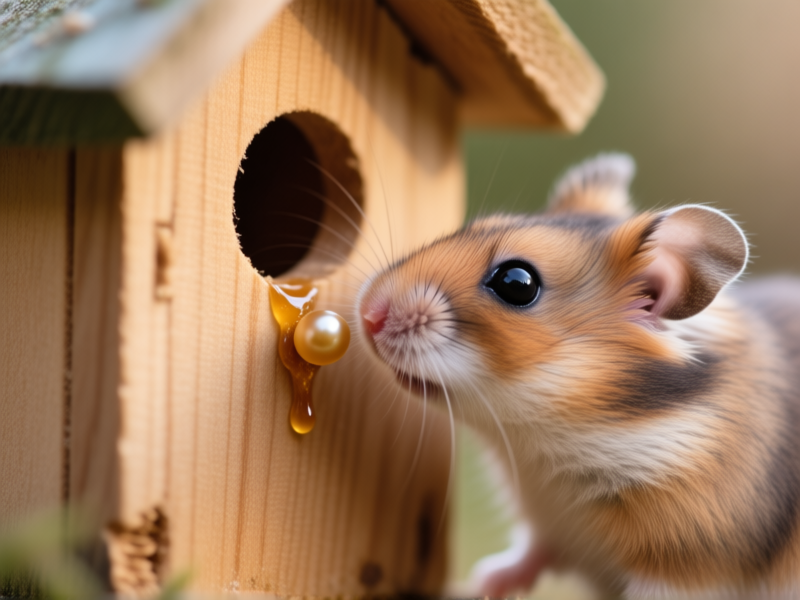
Let's be honest. When we're building that awesome new hamster castle or fixing the parrot's perch, glue is the last thing we stress about. We're focused on the fun part. The creative part. But here's the thing: your pet is a professional investigator of weird smells and interesting textures. That little bead of glue you didn't clean up? It's a fascinating new snack. The fumes from that quick-drying super glue? An invisible cloud of trouble. Getting this wrong isn't about a messy project. It's an emergency vet visit waiting to happen. So let's talk glue. The good, the bad, and the seriously ugly.
The Good Stuff: Your Pet-Safe Adhesive Toolkit
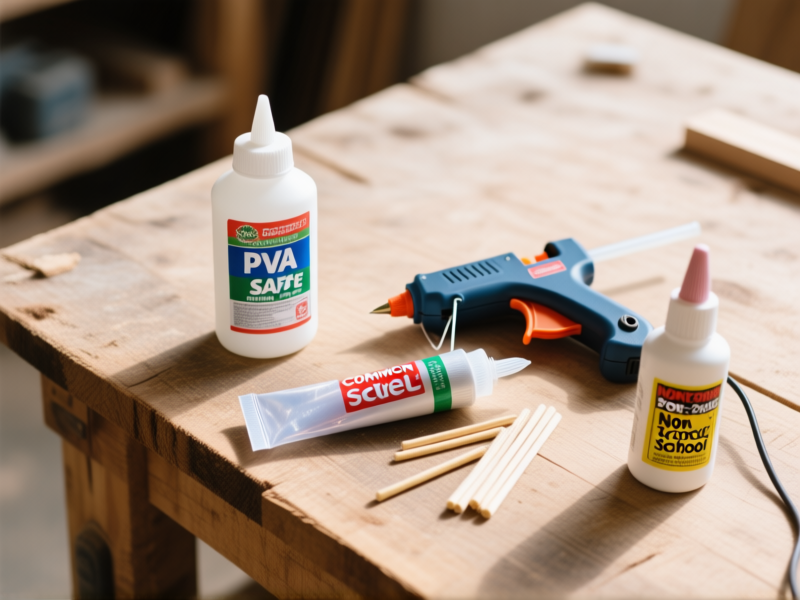
You don't need a chemistry degree. You just need a few reliable options. First up: standard PVA wood glue. Think Elmer's or Titebond. Once it's fully cured and dry, it's inert and non-toxic. It's the workhorse for wooden cages, perches, and hideouts. Next, 100% silicone sealant. The key is "100% silicone" with no added fungicides or mildew fighters. It's flexible, waterproof, and safe for things like aquarium backgrounds or sealing pond edges once cured. And my personal favorite for quick fixes: a low-temp hot glue gun. The glue sticks are generally non-toxic and it sets in seconds, perfect for attaching felt, fabric, or lightweight trim without a long, fume-filled wait.
The Chemical Nightmares: Adhesives to Ban From Your Workshop
This is the "do not pass go" list. Treat these like rat poison. Super Glue (Cyanoacrylate): This stuff bonds skin in seconds. Imagine what it does to a bird's beak or a reptile's tongue. The fumes are also brutal. Just no. Two-Part Epoxies: They're incredibly strong. They also off-gas nasty volatile organic compounds (VOCs) while curing and often contain toxic hardeners. Avoid. Construction Adhesives & Spray Adhesives: The "project killer" fumes in the green can? Toxic. They release VOCs for days, sometimes weeks. If it makes *you* lightheaded, it's devastating to a small animal's respiratory system. When in doubt, smell it. If it has a strong chemical odor, it doesn't belong near your pet.
Pro-Tips for the Glue-Savvy Pet Parent
Choosing the right glue is only half the battle. Your process matters. Ventilation is non-negotiable. Open windows. Run a fan. Do it in the garage with the door open. Never glue in a closed room with your pets. Cure time is sacred. "Dry to the touch" is not "fully cured." That PVA glue might feel dry in an hour, but it needs 24-48 hours to stop off-gassing and be truly inert. Read the bottle and then add extra time. Clean up every single speck. Sand off drips. Wipe away squeeze-out. Your pet will find what you missed. Finally, when your project is done and fully cured, do the sniff test. If you can still smell chemicals, it's not ready for them. It's that simple.