Introducing Pets: A Step-by-Step Guide to Safe Coexistence
Forget "Letting Them Work It Out." Here's Why You Need to Go Sloth-Slow.
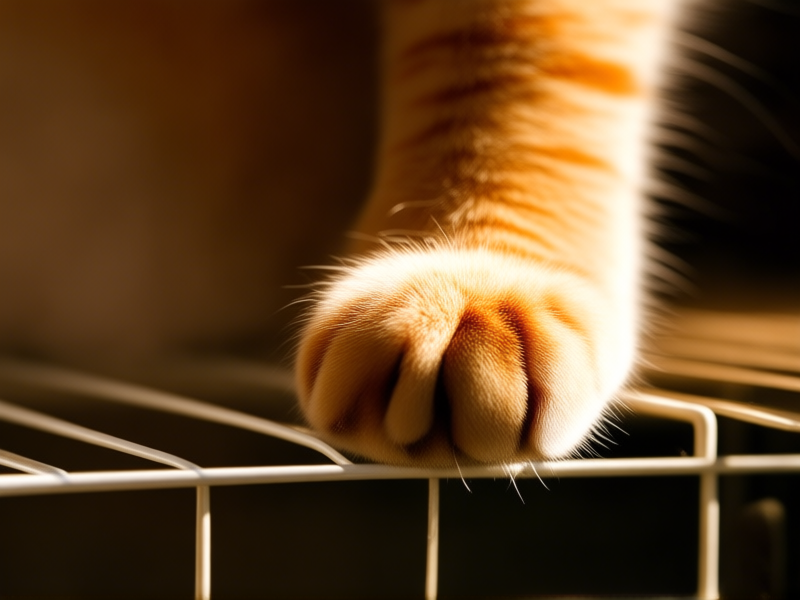
Look, the internet is full of horror stories that start with, "So I thought they'd be fine for a minute." Your cat is an apex predator. Your hamster is a ball of fluff that screams at salad. Their brains are wired completely differently. Rushing this isn't about bravery; it's about ignoring biology. The goal isn't just to prevent a tragedy. It's to build a foundation where your cat sees the hamster as part of the "off-limits" household furniture, not a squeaky toy. That takes weeks. Not days.
Set the Stage (You're the Ringmaster, Not a Spectator)
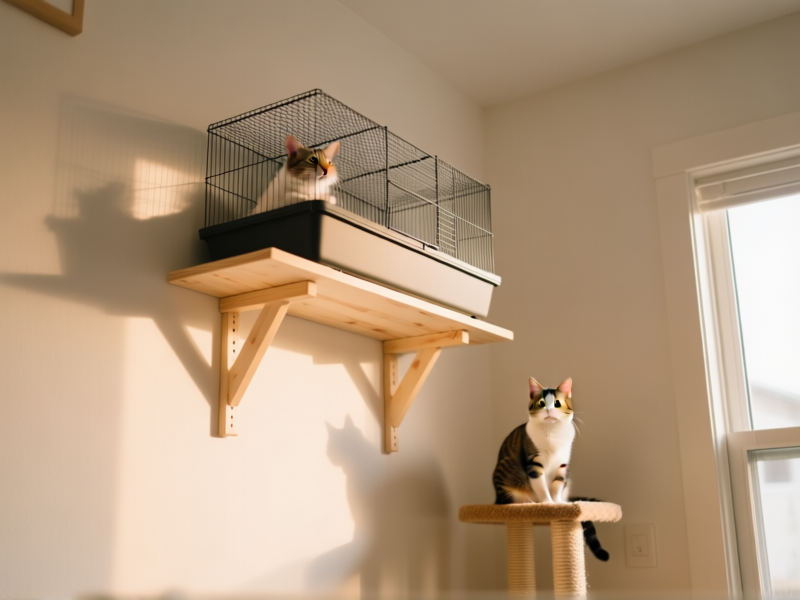
Before anyone smells anyone, you need a fortress. For the hamster, that means a secure tank—no flimsy bars a paw can slip through—placed up high or in a room the cat can't access. This is non-negotiable. For the cat, give them their own awesome stuff in that room too. A cat tree by the window. Their favorite bed. You're not creating a prison for the cat; you're making the hamster's area a neutral, uninteresting zone. Control the space, and you control the first impressions.
The Scent Swap: The Secret Handshake
Here's where the real magic starts. Animals live in a world of smell. Sight is secondary. Take a soft cloth, rub it gently on your hamster's cheeks and back. Place it near your cat's food bowl or favorite sleeping spot. Do the opposite with a cloth that smells like your cat. Watch their reactions. No hissing or frantic digging? Gold star. This is them having a "conversation" through a closed door. It’s the most important step everyone tries to skip. Don't.
Controlled Peek-a-Boo (No, Not Face-to-Face)
Only after scent is old news do we introduce sight. And with a barrier. Use a playpen, a carrier, or even a clear hamster ball (supervised!). Let the cat observe from a distance. Keep sessions short—like, two minutes short. The moment your cat's body goes stiff, crouches low, or does that weird chirping sound, game over. Redirect them with a toy or a treat. You're teaching them that calm behavior around the little creature is what gets the good stuff. Laser focus is the enemy.
The Supervised "How-Do-You-Do" (This Isn't a Playdate)
If—and only if—every other step is a snooze-fest, you can try a controlled, leashed, or held meeting. Your cat should be physically restrained. The hamster should be in its ultra-secure carrier. Keep it brief. Reward insane amounts of calm. Your cat needs to learn that the hamster's presence equals boring calmness, not exciting predator time. This phase lasts for months. Maybe forever. Some pets are just "aware but separate" roommates. And that's a 100% successful outcome.