Metal vs. Plastic Components: Durability and Safety Compared
So, Which One Actually Lasts?
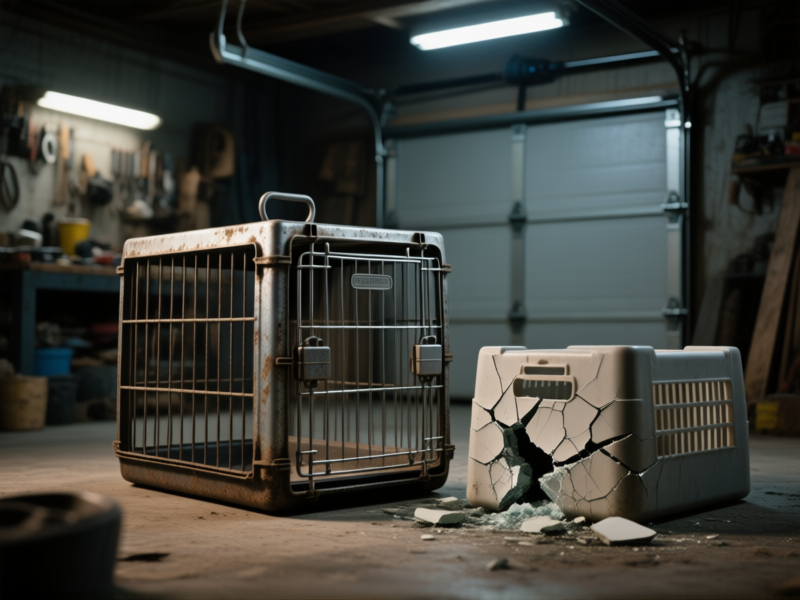
Let's cut through the marketing. Durability isn't just about a scratch. It's about what happens when your 80-pound dog sees a squirrel and launches himself against the crate for the thousandth time. Metal, when it's good (think powder-coated steel), is a brute. It bends, maybe. It rarely shatters. Plastic? It's a gamble. High-impact ABS can be a champ. Flimsy, hollow stuff? That's a one-season wonder. It gets brittle. It cracks. And suddenly, you're shopping again.
The Real Danger Isn't the Dent

Here's the thing they don't put on the box. The safety talk. Plastic is a chewer's buffet. A bored puppy or an anxious dog can gnaw off shards. Those tiny pieces are a straight ticket to a vet emergency. Metal? Not so tasty. It might ruin their teeth, but they're far less likely to ingest lethal fragments. For food bowls, beds, or any low-to-the-ground gear, this is the single biggest factor. Forget aesthetics. Think intestinal blockage.
Feel Matters. Seriously.
We gotta talk about the vibe. Plastic can feel... cheap. It's cold, it echoes, it might smell weird. Metal gets a bad rap for being "clinical." But that's outdated. A good metal frame with a soft, fitted pad feels secure. It's den-like. Plastic can feel like a kennel. For anxious pets, that sense of security and openness (good metal crates have great sightlines) can make all the difference in their stress levels. It's not just furniture; it's their room.
The Long-Term Foes: Rust vs. Cracks
Time is the ultimate test. Plastic's enemy is UV light and impact stress. It fades. It gets that weird chalky feel. And then, one day, a hairline crack appears from a stress point you never noticed. Metal's enemy is moisture. If you're looking at outdoor furniture or live in a humid area, "stainless steel" or "powder-coated" aren't just buzzwords—they're mandatory. That cheap, thinly-galvanized stuff will rust. And rust is a structural cancer. Know your environment.
What If You're Building It Yourself?
Going the DIY route changes the math. With plastic, you're mostly adapting pre-made components. Your durability is locked in by what you buy. With metal, you have control. You can choose solid, thick-walled tube from the start. You can invest in proper, rust-proof fittings. The upfront cost is higher, and you need the right tools (a hacksaw won't cut it). But what you build can literally last the life of your pet, and then some. It's a legacy piece, not a disposable item.