Natural Fiber Ropes: Safe Options for Ladders and Hanging Toys
Why Your Pet's Rope Shouldn't Be Plastic
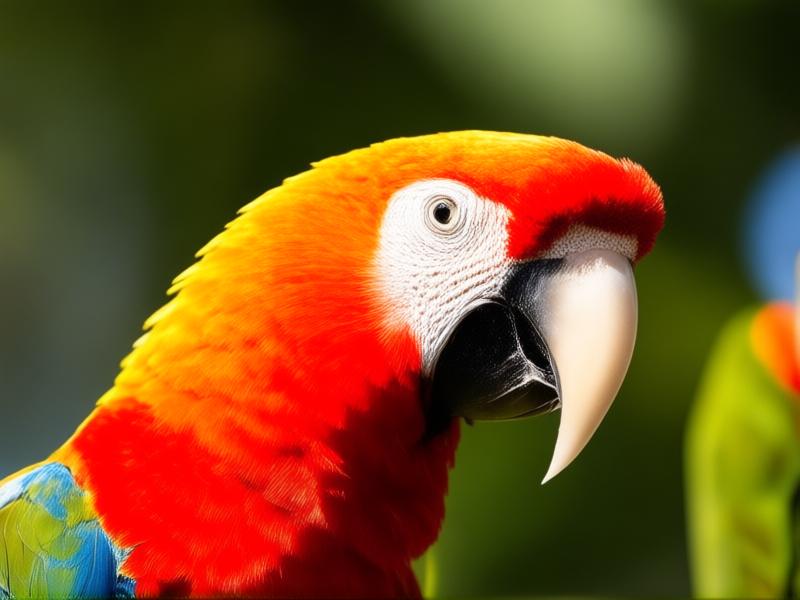
Okay, let's get one thing straight. That cheap nylon rope from the hardware store? It's a disaster waiting to happen. Pets chew. It's what they do. And synthetic fibers can splinter, causing internal blockages or worse. Here's the thing: natural fibers break down differently. Safer. They're the unsung heroes of the pet toy box. Think of it like this: you wouldn't eat plastic. Don't let your pet chew on it either.
Sisal: The Chew-Proof Hero for Bored Beaks
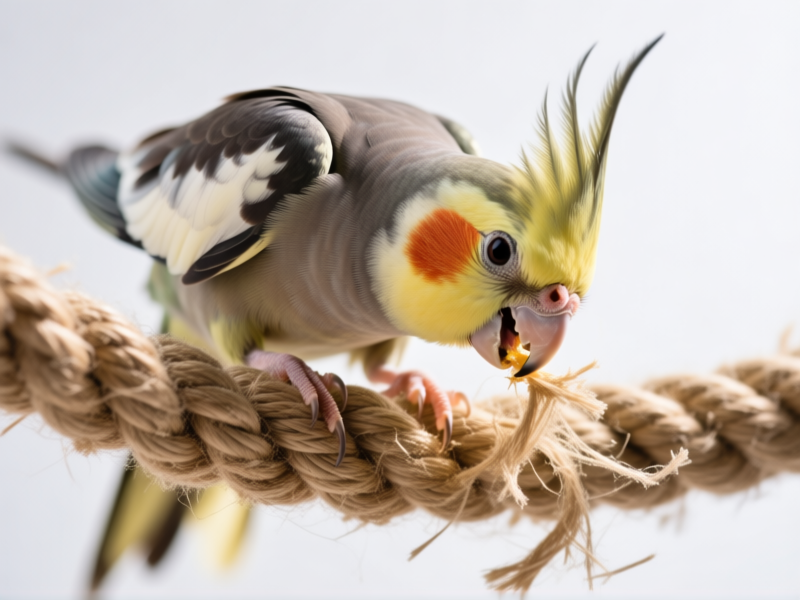
Sisal rope is the heavyweight champion. Seriously. It's tough, fibrous, and made from agave plants. Perfect for birds who love to destroy things or small animals that need a serious chewing outlet. It wears down in a frayed, stringy way that's much less likely to cause sharp edges. But it's not indestructible. You still gotta check it. When it gets too frayed and short, swap it out. Simple.
Cotton Rope: The Gentle Giant for Cage Climbers
Not every pet is a power chewer. For climbers—think rats, ferrets, some reptiles—you want something softer. Enter cotton rope. It's flexible, gentle on paws, and perfect for weaving ladders or hammocks. Actually, it's the go-to for cage furniture. Just make sure it's 100% natural, undyed cotton. No chemical treatments. The last thing you need is your buddy licking off some weird dye.
Red Flags: When Rope Turns Risky
Safety isn't a set-it-and-forget-it deal. You've got to inspect. Regularly. See long, dangly threads? That's a no-go. Pets can get tangled or ingest them. Rope feeling weirdly stiff or smelling funny? Probably treated with something nasty. And length matters. Too long, and it's a strangulation hazard. Keep it trimmed. Your eyes are the best tool you have. Use them.
Get Your Hands Dirty: DIY Rope Toys That Won't Hurt
Buying toys gets expensive. Making them? Way more satisfying. Grab some 100% sisal or cotton rope from a reputable supplier. That's key. Then, just knot it. Seriously. A few simple knots around a wooden block or a bell create an instant boredom-buster. No fancy skills needed. Avoid metal clips or small parts they can swallow. Keep it pure. Keep it simple. Your pet won't care if it's perfect. They'll just love that you made it.