Non-Toxic Paints & Stains: Safely Coloring Your DIY Pet Furniture
Your Dog Shouldn't Get a Buzz From the Furniture
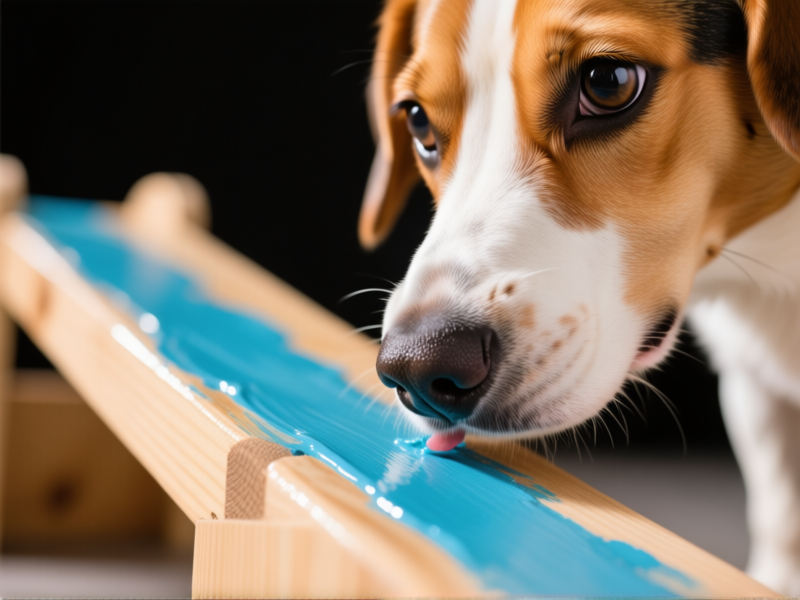
Let's get this out of the way: the standard paint you grab off the shelf for a living room accent wall? It's a cocktail of chemicals you don't want Fido licking. We're talking VOCs (Volatile Organic Compounds) that gas off for years, heavy metals for color, and solvents that are just plain nasty. Your pet is closer to the floor, loves to chew, and licks their paws constantly. That makes them the canary in the coal mine for bad fumes and residues. Painting their stuff with regular paint isn't just messy—it's a genuine health risk. And that's a lousy way to thank them for their companionship.
Decoding the "Safe" Labels at the Store
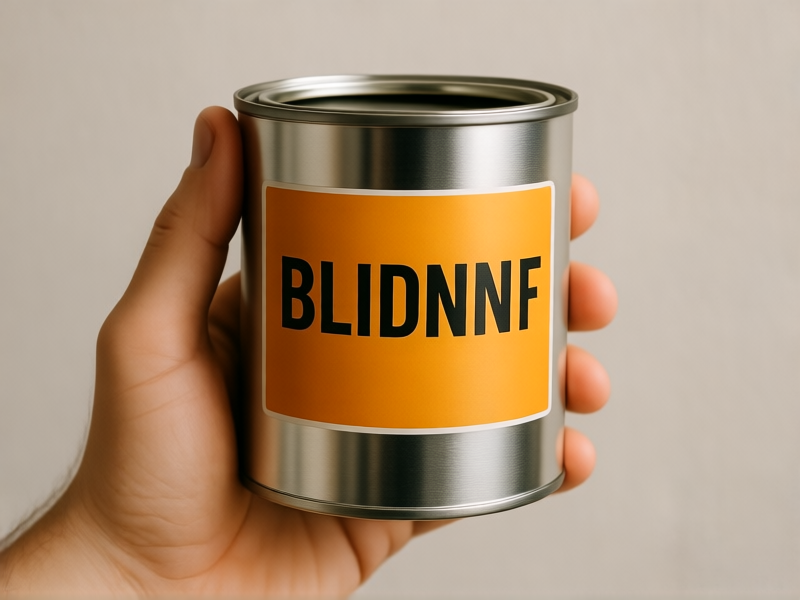
Go to the hardware store and you'll see a dozen promising labels. Don't get overwhelmed. Here’s your cheat sheet. "Zero-VOC" is your golden ticket. It means the paint releases minimal fumes, making it safe for indoor air and sensitive respiratory systems (like birds, who are incredibly vulnerable). "Non-toxic" means it's formulated without the worst heavy metals and biocides. And "child-safe" is a great proxy—if it's safe for a teething toddler, it's probably okay for a chewing puppy. You want a paint that hits all three. Skip anything with warnings about prolonged exposure or good ventilation. Your pet's crate is "prolonged exposure."
The Winners: What You Should Actually Buy
So what do you buy? For color, modern water-based acrylics and enamels are your best friend. Brands now make brilliant, durable paints that are zero-VOC, non-toxic, and scrubable. Look for ones specifically marketed for baby furniture or indoor projects. Want a wood stain? Ditch the smelly, chemical-laden stuff. Opt for pure, food-grade mineral oil or a beeswax finish. They bring out the grain, offer a bit of protection, and are literally edible. For a rustic, vintage look, old-school milk paint is fantastic—it's made from milk protein, lime, and earth pigments. It’s about as natural as paint gets.
How to Apply It Without Making a Biohazard Zone
The best paint in the world won't help if you apply it like a goblin. Ventilation is key. Paint in the garage with the door open, or outside if you can. Let the piece cure completely—like, *completely*—before letting your pet near it. A day to dry isn't enough. Follow the cure time on the can, which can be up to 30 days for full off-gassing (though zero-VOC is much faster). Give it a good sniff test. If it still smells chemical, it's not ready. And for the love of paws, don't paint the areas they're going to chew directly. A chew toy is for chewing. A painted bed frame is not.