Plastic Tubing 101: Food-Grade vs. Regular for Hamster Tunnels
Your Hamster's Secret Stomach Tube
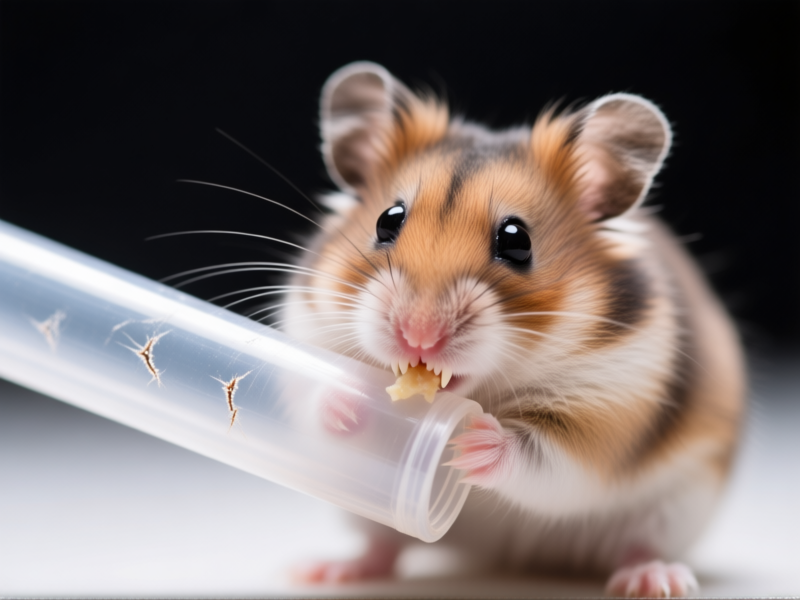
Let's get straight to it: that colorful tube you grabbed from the home improvement store might be poisoning your pet. Slowly. It sounds dramatic, but here's the thing: hamsters chew. Constantly. And they lick everything. That tunnel isn't just a fun accessory; it's a potential chew toy that leads directly to their tiny digestive system. So the plastic you pick? It's not about durability. It's about dinner.
"Food-Grade" Isn't Just a Fancy Label, It's a Promise
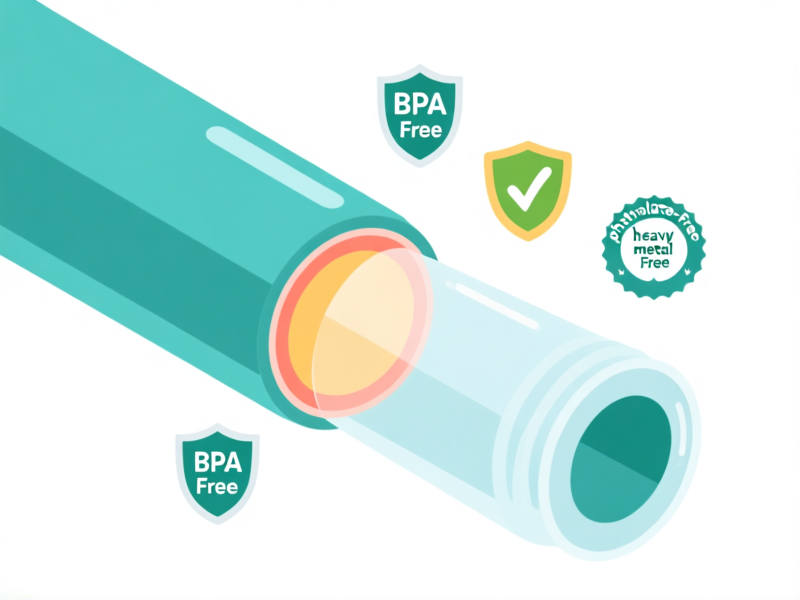
So what does "food-grade" actually mean? It's not a specific plastic. It's a safety standard. This plastic is formulated to be non-toxic and stable. No nasty chemicals like BPA or phthalates that can leach out and cause hormone disruption. No heavy metals. No random plasticizers added to make it cheap and flexible. Think of it like this: regular plastic is made to hold your drain water. Food-grade plastic is made to hold your drinking water. Big difference.
The Dark Side of "Regular" Plastic Tubes
Now, the stuff you're warned about. PVC (Polyvinyl Chloride) is the main villain. It's common, cheap, and flexible. But to make it that way, it's loaded with plasticizers like phthalates. These chemicals aren't bonded to the plastic—they can leach out, especially when chewed, licked, or heated by ambient room temperature. You might see "vinyl" tubing. Same problem. The risk isn't always immediate illness. It's long-term, low-dose exposure that messes with their little bodies over time. Just not worth it.
Your Go-To Safe Material Cheat Sheet
Okay, enough doom. What *should* you use? Two champions: PP and HDPE. Look for polypropylene (PP) or high-density polyethylene (HDPE). That milk jug in your fridge? HDPE. Those yogurt containers? Often PP. They're inert, tough, and commonly food-safe. You can find them as clear tubing online or in pet-specific stores. Acrylic is another solid, rigid option for viewing tunnels. And don't forget natural materials! Cork logs, bamboo, and untreated willow bridges are perfect, chew-safe alternatives that add variety.
The 30-Second DIY Tunnel Safety Check
Before you build that epic habitat network, do this. Check for a recycling symbol on the tube. See a number 2 (HDPE), 4 (LDPE), or 5 (PP)? Good start. See a number 3 (PVC/Vinyl) or 7 (which can contain BPA)? Toss it. Smell it. Strong, chemical "new shower curtain" smell? Bad sign. Food-grade plastic should have little to no odor. Can you trace it to a source? "For beverage use" or "FDA compliant" wording is a great sign. If in doubt, skip it. Your hamster would rather have a cardboard toilet paper roll tonight than a fancy, questionable tunnel.