Plywood Grades Explained: Which is Best for Sturdy Cat Trees?
Forget the Cardboard - Your Cat's Tree Needs Real Muscle
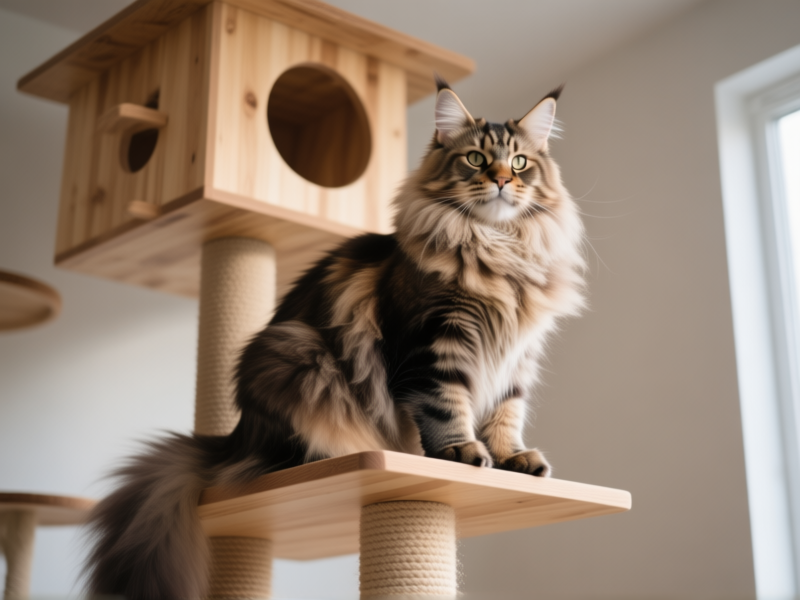
Let's be real. Your cat isn't a delicate figurine. That thing launches itself off your walls at 3 AM. A wobbly, cheaply-made cat tree isn't just annoying; it's a safety hazard. It tells your cat you don't trust their acrobatics. The foundation of a beast-mode cat tree isn't carpet or sisal rope. It's the wood. Specifically, plywood. But not all plywood is created equal. Picking the wrong grade is how you end up with a leaning tower of cat-astrophe. Here's how to choose the right one.
The Glue is the News: Interior vs. Exterior Grade
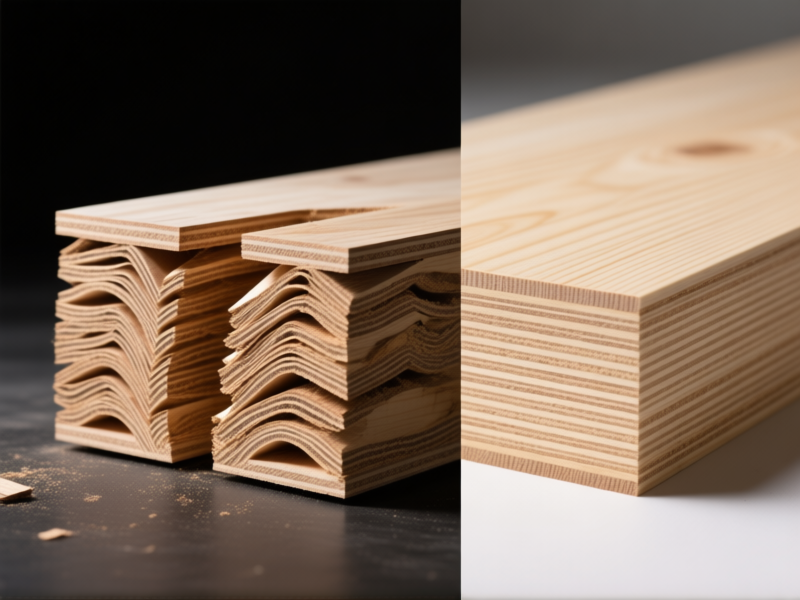
This is the most important thing you'll read. Forget the pretty face for a second. The difference between a board that lasts and one that warps into a modern art sculpture lies in the glue. Interior-grade plywood uses glue that can't handle moisture. A spilled water bowl, a humid room, a cat with a questionable aim – it's enough to weaken the bonds. The layers start to separate. Exterior-grade plywood (often stamped "EXT" or "Exposure 1") uses waterproof glue. It's what's used in outdoor furniture and sheds. For a cat tree, especially one with carpet or fabric, that moisture resistance is non-negotiable. It's the first rule. Always start with exterior-grade glue.
Plywood Grades Decoded: It’s Not Rocket Science
The letter grades (A, B, C, D) simply describe the quality of the veneer on each face and the core. "A" is sanded smooth, virtually defect-free. "D" has knots, splits, and large repairs. You'll see them listed in pairs like "A-B" or "B-C." The first letter is the good face. The second is the back. "A-C" means one show-ready side and one rougher, patched side. "Shop grade" is the wild card—it can have defects on both sides. For us, the sweet spot isn't the perfect showpiece. It's the workhorse.
Your Cat Tree Sweet Spot: Cabinet Grade & Baltic Birch
So, exterior glue plus what face grade? For the main platforms and bases, you want "A-B" or "A-C" Exterior. This is often called "Cabinet Grade." One perfect side for painting or wrapping with carpet. One utilitarian side that's still solid. It's the best balance of cost, strength, and finish. But for the *ultimate* in stiffness and screw-holding power, ask for **Baltic Birch**. It's a specific type of plywood made from, you guessed it, birch. The magic is in the core: it has more, thinner layers (plies) with no gaps or voids. It's dense. It's heavy. It does not flex. A 1/2" sheet of Baltic Birch is often stiffer than 3/4" of standard ply. It's the professional's choice for a reason.
Thickness & Avoiding the "Wobble-Flex"
Grades are one thing. Thickness is another battle. A flimsy platform is a trust-breaker. Your 15-pound cat shouldn't feel like they're on a diving board. For vertical posts, 3/4" thick is the minimum. For large, cantilevered perches or bases, 3/4" is mandatory. Don't even think about 1/2" for those key structural pieces. Think of it like this: the cost jump in materials is tiny. The jump in your cat's confidence (and the tree's lifespan) is massive. Combine exterior-grade A-C plywood at 3/4" thickness, and you've just built a tank.
The DIY'er Quick-Start Guide
Walk into the lumberyard or big-box store. Don't look lost. Go straight to the plywood aisle. Find an associate. Say this: "I'm building a heavy-duty cat tree. I need 3/4-inch, exterior-grade, A-C sanded plywood. Do you have Baltic Birch in that spec?" If they have Baltic Birch, get it. If not, the standard exterior A-C is your winner. Avoid anything stamped "Interior" or with a "C-D" face if you can see big voids on the edge. Check the edge. See lots of dark gaps between the layers? Put it back. You want tight, even lines. That's it. You're now smarter than 90% of the people in that aisle. Go build something that won't quit.