Recognizing Stress Signals in Both Cats and Hamsters
Your Pet is Trying to Tell You Something. Are You Listening?
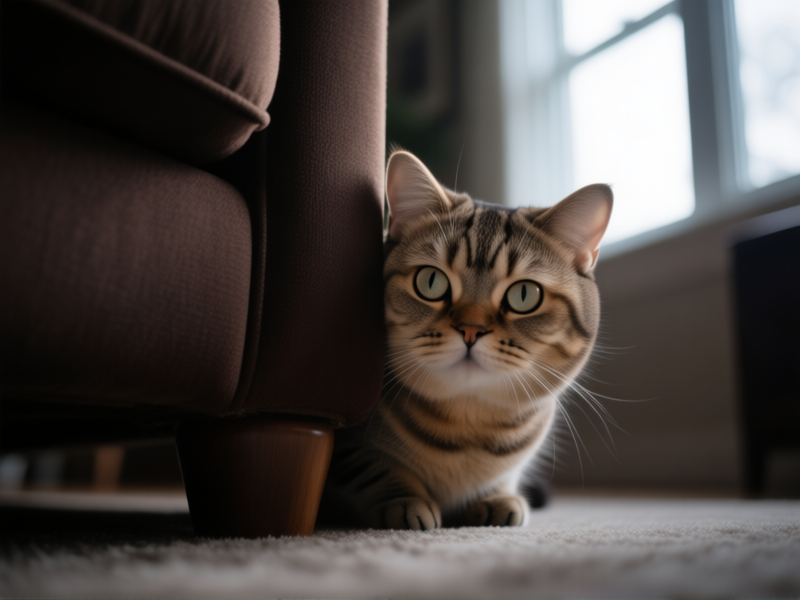
Let's be real. We're not mind readers. We look at Fluffy snoozing on the couch or Squeaky spinning on his wheel and think, "All is well." Spoiler: maybe it's not. That contented facade is just the tip of the iceberg. Underneath, your cat or hamster could be sending up literal flares of distress. You just haven't learned the language yet. And ignoring those signals? That's how small annoyances become big, expensive behavior problems. Or worse, full-blown health issues. So let's cut the guesswork. I'm talking about the real, raw, non-verbal stuff your pet is screaming with its whole body.
The Cat's Poker Face: It's a Total Bluff

Cats are masters of deception. They evolved from loners who couldn't afford to look weak. So that "I'm fine" pose? It's often a lie. Look past the stillness. The real tea is in the details. Ears rotated sideways or pinned back flat? That's not curiosity; that's "back off." A tail whipping sharply or thumping the ground? Pure irritation, not play. The classic Halloween-cat arch? That's fear trying to look big and scary. And excessive grooming, especially in one spot, isn't vanity. It's a soothing mechanism that can turn into a raw, bald patch of stress. Stop looking for meows. Start reading the tense, quiet broadcast of their posture.
Hamster Anxiety: It's Not "Just a Hamster"
People get this so wrong. They see a hamster frantically climbing the bars or digging like there's no tomorrow and think it's cute. "He's so active!" Actually, no. That's a panic attack in a tiny, furry body. Bar-chewing and relentless climbing are signs of a stressed, bored animal screaming for an escape. Excessive digging in the corner? That's not just burrowing instinct; it's stereotypic behavior—a compulsive, repetitive action born from stress. And if you see him suddenly "popcorn" (jump straight up) for no reason? He's startled and terrified. Their world is their cage. If it's boring or scary, they have no escape. Their stress is constant, and it's on you to spot it.
The Common Thread: Hiding & The Appetite Game
Here's where cats and hamsters sing the same unhappy tune. Hiding. Not the cute "I'm in my castle" hide, but the "leave me alone, world is too much" hide. For cats, that's under beds, in the back of closets. For hamsters, it's burying themselves and never coming out during normal hours. It's avoidance. The other universal red flag? Food. A cat that turns its nose up at tuna or a hamster that ignores its favorite sunflower seed is waving a massive, unignorable red flag. In the animal kingdom, skipping a meal is serious business. It's often the very first sign that something is off, physically or mentally. Don't just shrug and say they're being picky. Pay attention.
What Now? Listen, Then Fix the Room
Alright, you're clued in. You've spotted the signals. The worst thing you can do is swarm them with more attention. For the love of all that is furry, do not force a cuddle on a hiding cat. You're just confirming that their safe space isn't safe. For the hamster, don't start tapping on the glass. Step one is always: back off. Give them space and quiet. Then, fix their world. For the cat, that might mean more vertical space (cat trees), safe hideaways, and predictable routines. For the hamster, it's a cage that's *actually* big enough, deep bedding for real digging, tunnels, and scatter-feeding to make them work for food. You're not just a owner. You're a zookeeper, a habitat designer. Build a world where those stress signals don't need to exist in the first place.