Scent Swapping Techniques to Familiarize Cats and Hamsters
Your Nose is the Key to This Whole Thing
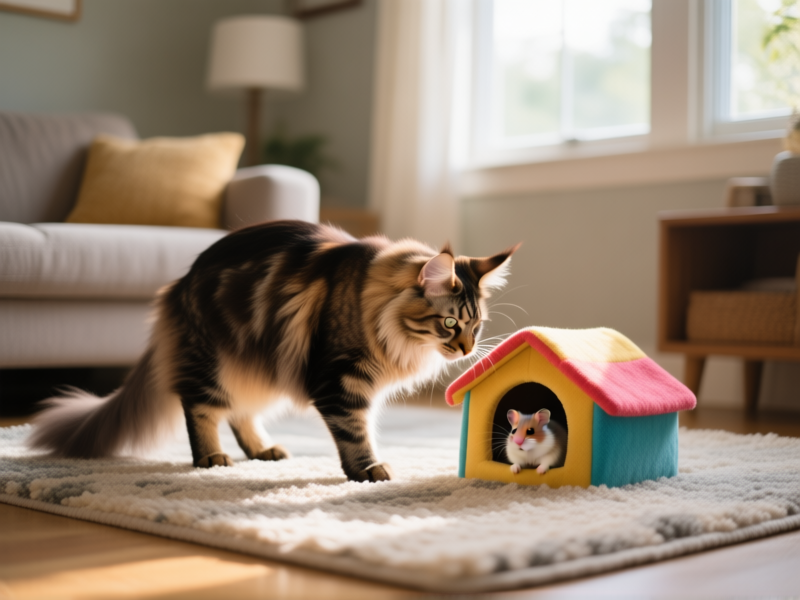
Listen, between you and me, noses run the animal kingdom. Forget the paws, the claws, the cute little whiskers. The real power is in the snoot. Your cat marks your entire apartment as his with one cheek rub. Your hamster knows exactly what corner is hers by smell. They're not being stubborn—they're reading a scent-based newspaper. Trying to force a face-to-face meet and greet is like throwing two rival diplomats into a tiny room and locking the door. It's a disaster waiting to happen. But if you let them "read" about each other first? That's the game. That's the secret handshake.
The Scent Bank: DIY Pet Perfume 101
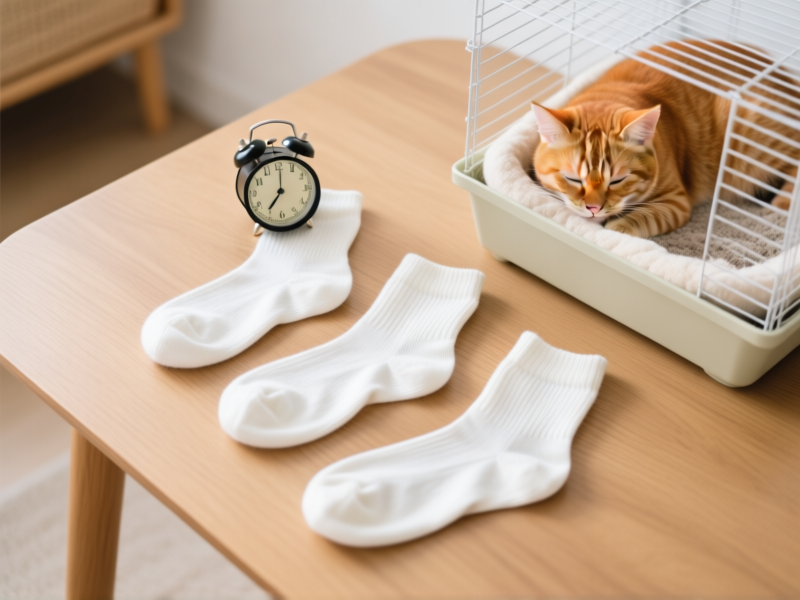
So, we need a scent library. You're not making cologne, so relax. All you need are some clean cotton socks or small hand towels. Really, just grab a pack of cheap socks. Here's the drill: gently rub one sock on your cat's cheeks and the flanks of their body—that's where their friendly scent glands are. Don't force it, just a few passes while they're relaxed. Use a *different* sock for your hamster. Tuck one into their bedding or nesting area for a few hours. Don't use anything soaked in urine or feces; we want the "home" scent, not the "bathroom" scent. Simple. You've now bottled their essence.
The Slow Swap: Building a Scent Bridge
Here's where patience pays off. You don't just toss the hamster-scented sock onto the cat's favorite nap spot. You'd start a war. Instead, start ridiculously far away. I'm talking the other side of the room.
Place the hamster-scented sock somewhere your cat can *choose* to investigate. Near their food bowl? Nope. On their bed? Hard no. Just... on the floor in a neutral corner. Watch. If they ignore it, perfect. If they sniff it calmly, jackpot. If they hiss or swat, you moved too fast. Just remove it and try again tomorrow, from further away. Do the same for the hamster with the cat-scented sock—place it *outside* their cage, so they can smell it without feeling invaded.
Reading Their Reviews (And What to Do Next)
Your job now is to be a body language detective. A calm sniff, maybe a slow blink from the cat? That's a five-star review. Ignoring it completely is a solid four stars—no news is good news. Puffed-up fur, hissing, or the hamster frantically covering the sock with bedding? That's a one-star, angry rant. That's your signal to backtrack.
When they're consistently cool with the scent from a distance, you move the sock a little closer. An inch. A foot. Over days. You're building a neutral, shared scent in the environment. This isn't about them becoming best friends. It's about the smell of the "other guy" going from "ALERT! INTRUDER!" to "Oh, that weird sock again. Whatever."
When the World Smells Familiar
That shift in scent perception is everything. Territorial behavior is rooted in fear of the unknown. When the unknown smells familiar, the fear drops. The cat is less likely to stalk the cage. The hamster is less likely to panic at the giant shadow passing by. You've de-escalated the situation using the one language they both truly understand. You didn't force them to play nice. You just gave them the local gossip ahead of time. Now, the idea of the other creature existing in the same territory isn't a crisis. It's just part of the furniture. And that's a win. Celebrate the quiet moments.