Scheduled Playtime: Coordinating Active Periods for Both Pets
From Chaos to Calm: Why a Schedule Isn't Just for Kids
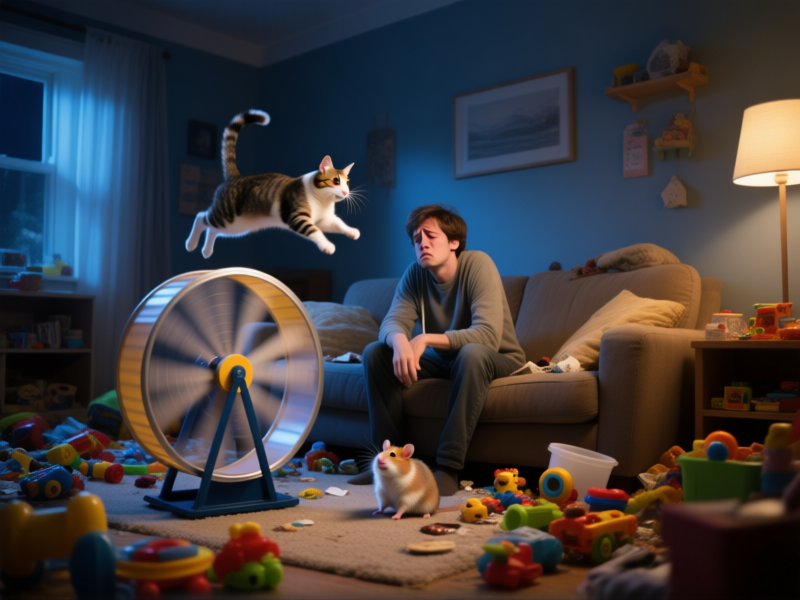
Look, we've all been there. It's 2 AM. Your cat is using your stomach as a launching pad for the Great Bedroom Sprint. Meanwhile, from the corner, you hear the frantic, endless *squeak-squeak-squeak* of the hamster wheel. Two pets, two completely opposite internal clocks, and one very exhausted human. This isn't just annoying; it's a sign their needs aren't being met. Scheduled playtime isn't about being a drill sergeant. It's about survival. Your survival, and honestly, their happiness too. A predictable routine reduces their anxiety, burns their energy at the *right* times, and carves out precious quiet hours for you. Everybody wins.
Cracking the Code: Mapping Your Pet's Natural Rhythm
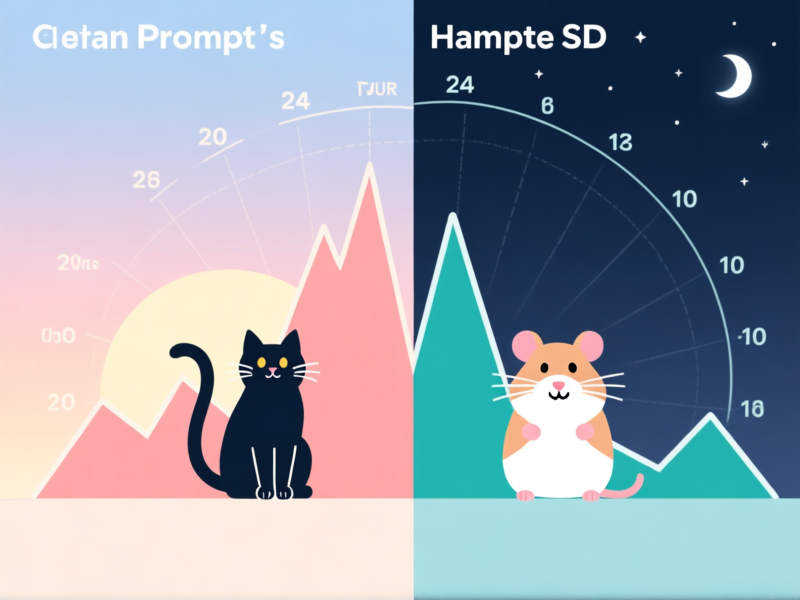
You can't coordinate what you don't understand. Here's the thing: your pets are slaves to biology. Your cat is a crepuscular creature. Fancy word for "loves dusk and dawn." That's when their inner lion says "Hunt!" Your hamster? Nocturnal. When your lights go out, their party starts. The first step is simple observation. For a couple of days, just note it down. When does the cat get the zoomies? When does the hamster's wheel become a blur? That's your baseline. You're not fighting nature; you're working with it. Schedule intense play for your cat during those natural spike periods. For the hamster, plan your interactive time for the evening, when they're just waking up and are most inquisitive.
Building the Routine: It's About Quality, Not Just a Timer
Okay, you've got the map. Now, build the ritual. Structured play is about engagement, not just running around. For your cat, that 10-minute laser chase is great, but *always* end with a tangible toy they can "catch" and bite, like a wand toy with feathers. It completes the hunt. Then, give them a food puzzle to work on. Mental fatigue is just as good as physical. For your hamster, your "playtime" might be setting up a new dig box in their secure playpen or hiding treats in toilet paper tubes. It's supervised exploration. The goal for both is a clear "on" switch and, more importantly, a clear "off" switch. A post-play snack or grooming session signals "game over, time to chill."
The Golden Hour: A Sample Schedule for Peaceful Coexistence
Let's get practical. Say you get home from work at 6 PM. This is your golden hour. At 6:15, you engage the cat. Full-on, breathless chase for 10-12 minutes. Wand toy, fetch, whatever. Then, out comes the food puzzle. By 6:45, your cat is likely grooming or staring into space. Success. Now, it's hamster o'clock. As you wind down for the evening, bring the secure playpen into the living room. Let the hamster explore new tunnels, a sand bath, nibble some fresh veg. You get to watch their funny antics, they get stimulation. By 8 PM, both pets have had their focused, enriching activity. The late-night crazies? Drastically reduced. Maybe even gone. The house settles. You can actually watch a movie without commentary from the running wheel.
When Life Happens: Adapting the Plan Without Guilt
Some days you'll nail it. Other days, work runs late, or you're just wiped. The schedule isn't a law. It's a framework. Missed the cat's big evening play? A five-minute intense session before bed is better than nothing. Hamster didn't get out-of-cage time? Scatter their food so they have to forage all night. It's not failure; it's flexibility. The real magic isn't in perfect adherence. It's in the intention. You're paying attention. You're trying to meet their needs in a rhythm that also works for you. That effort alone changes the energy in your home. Less chaos, more calm. And honestly, a lot more sleep.