Simulating Natural Foraging: Scatter Feeding in a Secure Enclosure
Your Hamster Hates its Food Bowl. Seriously.
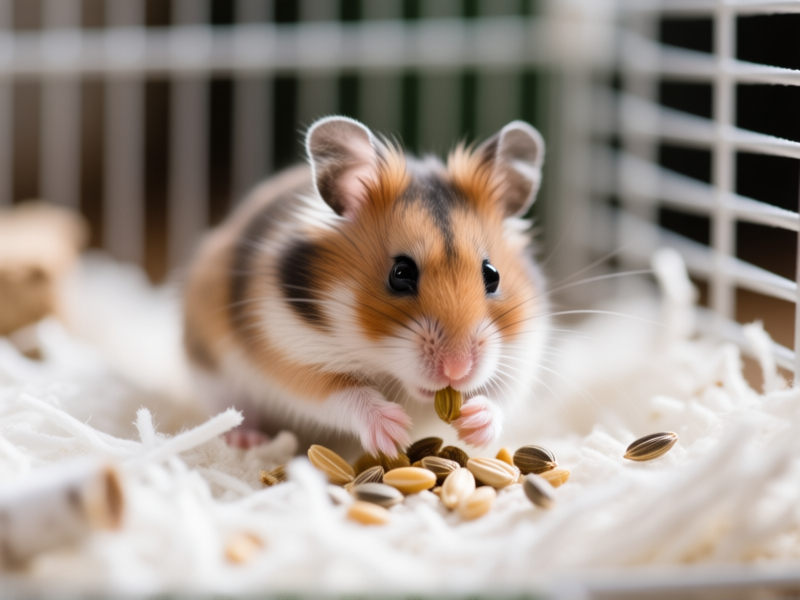
Let's be real. That little ceramic dish in the corner? It's a vending machine. Your hamster walks up, grabs a pellet, and leaves. It takes ten seconds. There's zero challenge, zero effort, and for a creature wired to search for hours, it's mind-numbingly boring. Their wild cousins trek hundreds of feet a night, sniffing, digging, and working for every single calorie. Our pet hamsters get... a commute from the hideout to the bowl. See the problem?
Scatter Feeding: Turning Dinner Into a Treasure Hunt
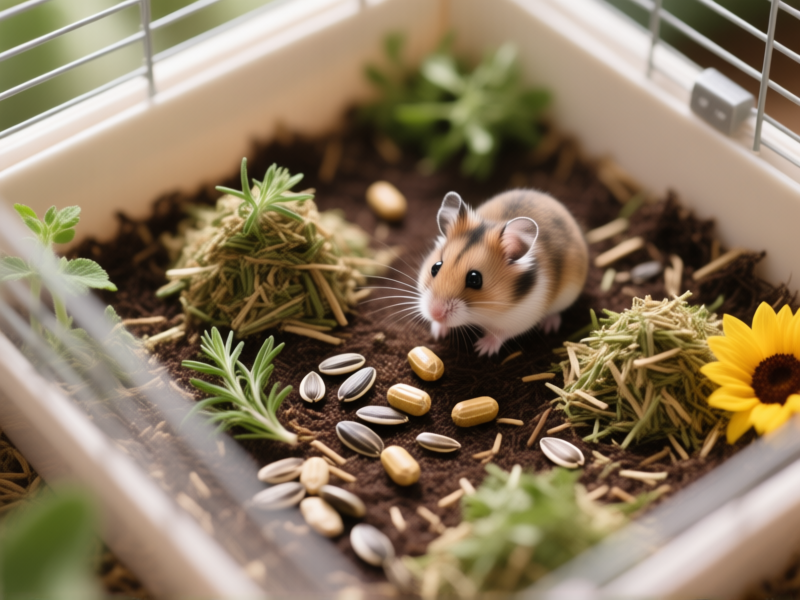
So here's the fix. Scatter feeding. It's exactly what it sounds like. Instead of dumping their daily food ration into a bowl, you take it and sprinkle it all over their enclosure. Toss some under the bedding. Hide a little pile behind their wheel. Stick a few bits in a toilet paper roll. You're not adding more food; you're just changing the delivery method. Suddenly, eating isn't a chore. It's a mission. Their natural foraging behavior kicks in. They'll snuffle, dig, and explore. It engages their brain and their body. It's simple. And it works.
But Wait, Is Scatter Feeding Safe?
Absolutely. But you have to be smart about it. The "secure enclosure" part of the title isn't a suggestion. First, the cage itself. No wired floors. Deep, safe bedding like aspen or paper. Check for any gaps they could get stuck in. Second, the food. You have to know exactly how much you're giving. Measure their daily portion first, *then* scatter it. This prevents overfeeding. Finally, spot-clean. You'll need to check for any uneaten fresh food (like a bit of veggie) that might get buried and rot. But the dry stuff? They'll find it. They're pros.
Easy DIY Foraging Upgrades (No Craft Skills Required)
Don't overcomplicate this. You can make killer foraging toys with junk. Grab a toilet paper roll. Pinch the ends shut with some food inside. Instant puzzle ball. An empty cardboard egg carton? Put a bit of food in each cup. A small, clean terracotta pot? Flip it over, slide a treat underneath. The goal is variety. Mix up where and how you hide the food each night. Keep them guessing. One night it's scattered freely. The next, it's in a few DIY puzzles. This mental workout is what stops cage boredom dead in its tracks. A busy hamster is a happy hamster.
Watch Them Become a Different Pet
The change is noticeable. Fast. The frantic bar-climbing might slow down. The repetitive behaviors can lessen. You'll see them more engaged, more curious, and frankly, more tired out by their own natural activities. You're not just feeding them. You're letting them *be* a hamster. It's that fundamental. So tonight, skip the bowl. Take those pellets and give them a throw. Then just watch. That's the good stuff.