Sound Damping Techniques for Noisy Hamster Wheels at Night
The First Thing You Gotta Know: It's Not the Hamster

Let's get this straight right away. Your hamster isn't trying to ruin your sleep. That frantic 2 AM cardio session is pure instinct. They're hardwired to run for miles. The problem is the engineering of their favorite gym equipment. Most standard wire or mesh wheels are tiny, echo chambers of clatter. Your little friend's feet slip through the rungs. *Click-clack-click-clack.* It's a recipe for noise. So before you get annoyed at the critter, take a hard look at the wheel. That's your enemy number one.
The "Wheel Swap" Fix (It Actually Works)
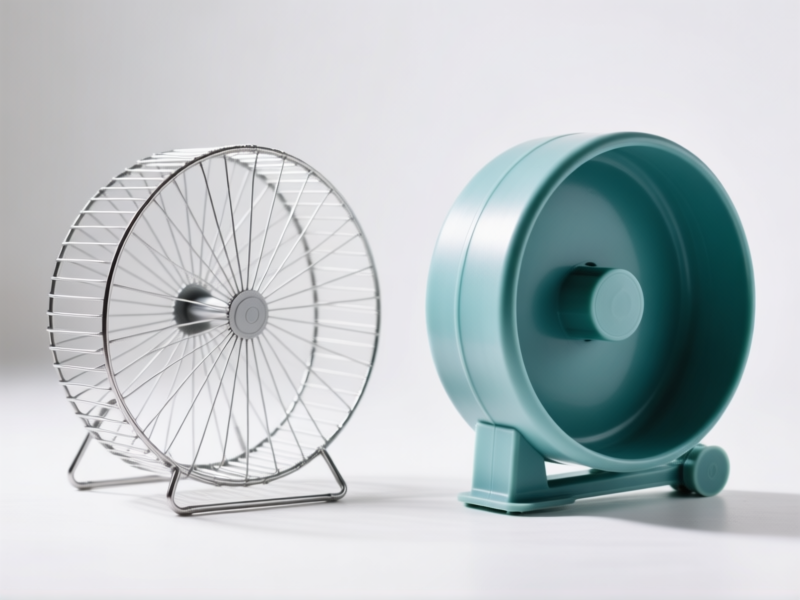
Here's the thing. You can spend weeks trying to muffle a bad wheel. Or you can just replace it. It's the single best investment for nocturnal peace. You're looking for two things: **Solid surface** and **proper size**. A solid plastic or acrylic wheel means no footfalls hitting metal. And get a big one—at least 8 inches for a Syrian. A cramped hamster arches its back, causing an awkward, thumpy gait. A big wheel lets them run flat. You'll hear a soft *whirr* instead of a thunderous *CLANG*. Trust me on this.
DIY Hacks for the Wheel You Already Own
Okay, maybe you're not ready to buy a new one. Fair. Let's jury-rig a solution. The goal is to dampen vibration and create a softer running track. Grab some self-adhesive cork liner (the stuff for kitchen drawers). Cut a strip and line the *inside* of the wheel's track. Gives their feet some grip and absorbs sound. Next, check the axle. Is it metal-on-metal? A tiny dab of petroleum jelly on the spindle works wonders. Just a smear. Too much gets gunky. Finally, make sure the wheel's support stand is tight. A loose bolt is a percussion instrument waiting to happen.
Stop the Cage From Being a Subwoofer
The wheel's noise is only part of the story. The whole cage can act like a resonant box, amplifying every tiny vibration. The fix is shock absorption. Get that cage off a hollow desk or rattly table. Put it on something heavy and dense. A solid wood dresser is good. Even better? Place the whole cage on a thick foam pad. A cut-to-size floor mat, a yoga block, even a folded towel. This simple barrier stops vibrations from traveling through the furniture and into your skull. It's like putting a washer on a buzzing light fixture.
The "Behavioral" Angle Most People Ignore
You can engineer all you want, but sometimes you need to work with the hamster's behavior. One word: **Bedding**. A deep, soft layer of paper-based bedding does more than just look cozy. It absorbs sound from above *and* below. Hamsters are burrowers. A deep layer encourages them to dig and nest down in the quiet, cushioned base of the cage, which can slightly reduce their time on the wheel during the dead of night. Also, try scattering their main food allotment in the bedding at dusk. The natural forage-and-hunt behavior can tire them out mentally before their marathon sprint session begins. It’s not a perfect fix, but every little bit helps.
When All Else Fails: The Strategic Bedroom Exit
Look. Some hamsters are just athletes with terrible schedules. You've got the silent wheel, the cage is on a foam pad, and you've deep-filled the bedding. And you still hear the pitter-patter of tiny feet at 3 AM. This is the coexistence part. This is where you, the human, make a small compromise. A good pair of soft earplugs. Or a white noise machine. It feels like giving up, but it's not. It's acknowledging that you've done everything practical. You've created a species-appropriate, fun environment for your pet. The final step is just letting their nature be, and blocking out the last bit of ambient whirring so you can both get the rest you need.