Sourcing Food-Grade Buckets and Bins for DIY Cage Bases
Why Food-Grade Isn't Just a Fancy Label
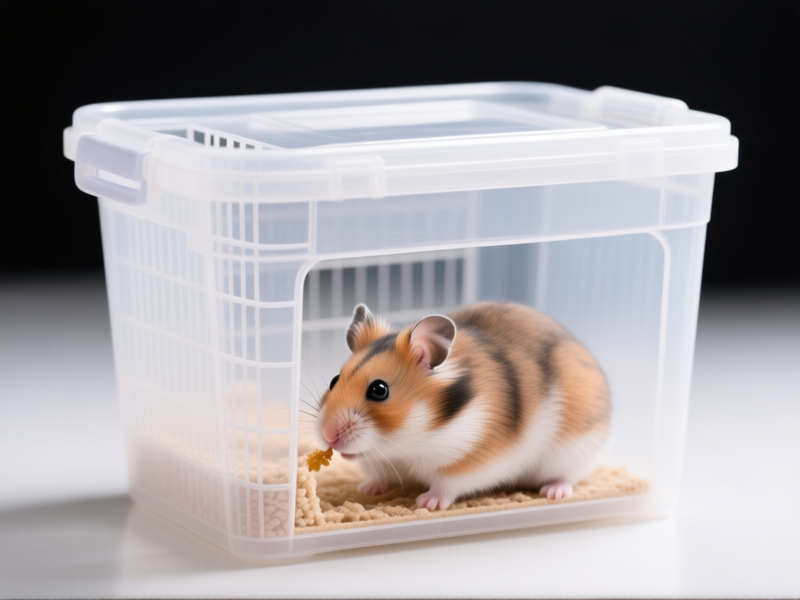
Let's be brutally honest. That old paint bucket from the garage? That random tote from a yard sale? They're not the smartest foundation for your pet's home. Actually, they're kind of a terrible idea. Here's the thing: food-grade plastic is designed with a specific chemistry. It's meant to *not* leach harmful chemicals into what it's holding. Your leftover chili. Your pet's bedding. Non-food plastics? They can off-gas volatile organic compounds and harbor bacteria deep in the pores of the material. Your little critter is going to breathe that air and chew on those walls. Food-grade is the baseline for "won't actively poison your pet." It's not optional.
The Hunt: Where to Actually Score the Good Stuff
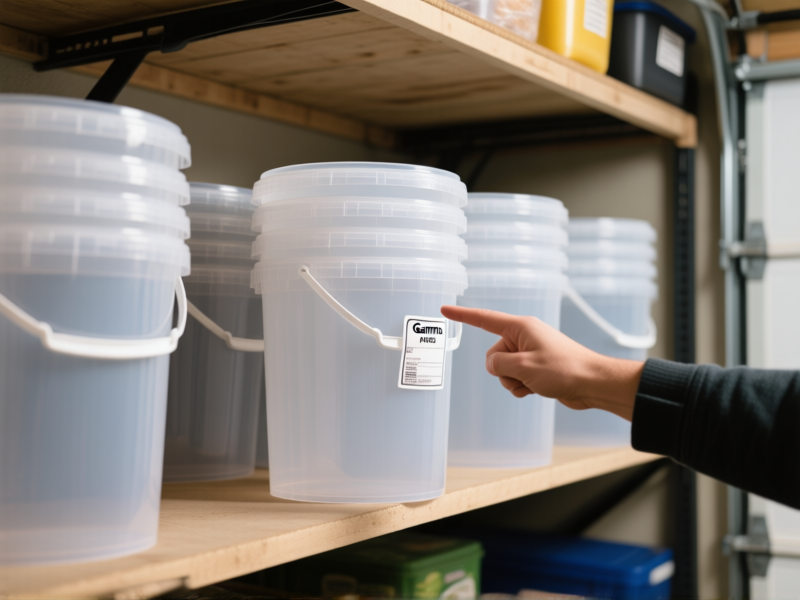
Stop overcomplicating it. You don't need a secret supplier. Head to a restaurant supply store. They have everything, and it's all built to handle commercial food service. Your local big-box hardware store has a storage section. Look for containers specifically marked for food storage. Online is a treasure trove, but watch the shipping costs on bulky bins. Bakeries and delis are gold mines for free or cheap used 5-gallon frosting or pickle buckets. But you have to ask, and you *must* ensure the original contents were food. A pickle smell you can fight. A chemical smell? Toss it.
Decoding the Secret Language of Plastic Bottoms
Flip the bin over. See that little triangle with a number inside? That's your cheat sheet. Memorize this: **#2 (HDPE)** and **#5 (PP)**. These are your all-stars. High-Density Polyethylene and Polypropylene. They're tough, typically opaque or translucent, and they're the most common food-safe, non-leaching plastics. #1 (PET) is okay but often too flimsy for a cage. Now, the "avoid at all costs" list: **#3 (PVC/Vinyl)**, **#6 (PS/Styrofoam)**, and **#7 (Other, often contains BPA)**. These can be toxic. If the bin doesn't have a symbol, walk away. It's not worth the gamble.
From Storage Bin to Safe Home: The Pre-Game
You found the perfect bin. Great. But it's not ready for occupants. First, wash it. I'm talking hot water, a tiny dash of dish soap, and a good scrub. Rinse it like crazy until you can't smell the soap at all. Then dry it completely. Moisture trapped in a closed environment breeds mold. Next, if you cut a ventilation hole or doorway, you *must* sand those edges. Plastic cuts are razor-sharp. Sand them smooth until you can run your finger over it without fear. No shortcuts here. Your pet will find that sharp edge.
The "Absolutely Not" List (And Why)
Let's clear up some common "creative" ideas. Laundry baskets? They're designed for airflow, not containment, and the plastic is often weirdly treated. Your hamster will be a memory in 30 seconds. Cheap, thin trash cans? The plastic is usually non-food-grade and absurdly flimsy. They'll chew out in a day. Anything that previously held non-food chemicals (soap, laundry pods, car wash) is permanently contaminated. You cannot wash that out. The plastic has absorbed it. Repurposing is smart, but some containers just have one life. Don't risk your pet's health to save ten bucks. It's a terrible trade.