The Benefits of a Consistent Routine for Predator and Prey Pets
Your Pet's Brain Craves a Schedule (Seriously)

Let's cut through the noise. You know that feeling when your own routine gets thrown off? The low-grade anxiety? The weird, scattered energy? Your pets feel that times ten. They don't have calendars or to-do lists. Their entire world is built on patterns and predictability. When you stick to a schedule, you're not just being organized. You're building a fortress of security around them. For the high-strung hunter prowling your living room and the skittish prey animal in the corner cage, a predictable day isn't a luxury. It's the foundation of their mental health. Think of it as the ultimate act of love, delivered on time, every time.
Routine: The Ultimate Anxiety-Buster
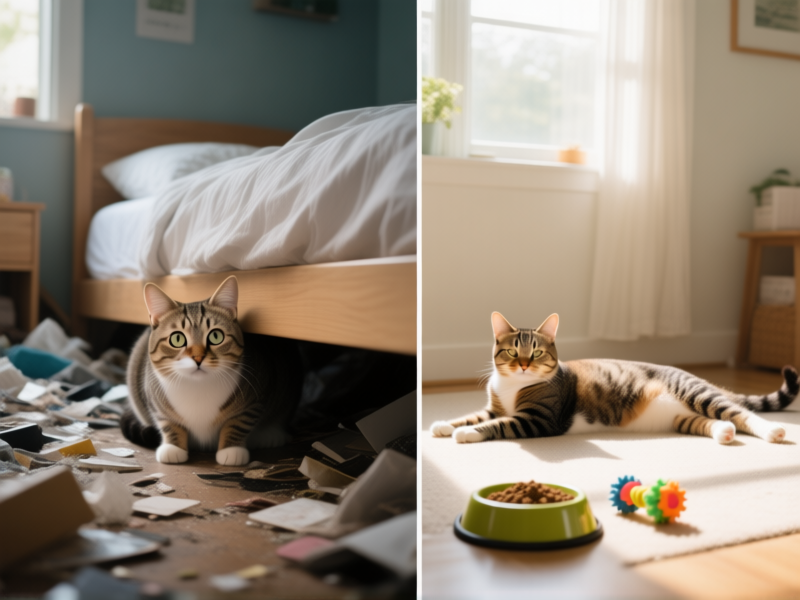
Here's the thing most people miss. Stress in animals isn't just about big, scary events. It's the constant, low-level uncertainty. "When will I eat?" "Is that noise a threat?" "Where is my human?" A consistent routine answers these questions before your pet even has to ask. That cat who bites your ankles at 5:01 PM? She's not mean. She's stressed because dinner is LATE. That rabbit who thumps at every strange sound? He's constantly on high alert. A predictable environment turns down the volume on their nervous system. The result? Fewer unwanted behaviors. Less hiding, less aggression, less destruction. You're literally giving their brain a break.
Feeding Time Isn't Just About Food
This is where magic happens. Feeding on a strict schedule does way more than fill their belly. It builds trust. It teaches them that good things come reliably from you. For multi-pet homes, it's a non-negotiable. The predator (cat, dog) gets fed in their spot. The prey (rabbit, guinea pig) gets fed in theirs. At the same time. Every day. This separates the primal drive to hunt from the act of eating. The prey animal learns that the scary predator is busy and content over there. The predator learns that the rustling in the cage means *their* food is coming too, so they can chill. You're not just feeding bodies. You're programming peace.
Scheduled Play is a Release Valve
Wild animals don't play for fun. They practice. Hunting. Escaping. A scheduled play session for your predator pet simulates the hunt cycle. It burns the intense energy that would otherwise turn into stalking the hamster's cage. For your prey pet, scheduled out-of-cage time in a secure area fulfills their need to forage and explore safely. When you control *when* these instincts get expressed, you control the household vibe. That 7 PM laser pointer session with the cat means he's more likely to nap than patrol the rabbit's enclosure at midnight. You're giving their natural drives a safe, productive outlet. On your terms.
The Predator-Prey Truce, Managed by Clockwork
This is the big one. You can't just throw a cat and a rabbit together and hope for the best. That's a horror movie. But with a steel-clad routine, you can create a fragile, beautiful peace. The routine itself becomes the barrier. The cat learns: "At 9 AM, I get fed, then I nap in the sunspot. At 3 PM, the bunny comes out in its pen, but that's when I get my feather toy. Their time is not my time." The prey animal learns the predator's patterns of calm and activity, which reduces their constant fear. They coexist in shifts, mediated by you and your unwavering schedule. It’s not about being friends. It's about respecting territorial boundaries… of time.
It Makes YOU a Better Pet Parent (And Saves Your Sanity)
Let's be real. Chaos is exhausting. The constant meowing, the guessing games, the guilt. A routine fixes that for YOU. It automates the hard decisions. No more wondering if you've played enough. No more guilt-tripping from a hungry pet. You get your time back because you're not constantly managing anxiety-fueled emergencies. The routine becomes the quiet, confident backbone of your home. You stop being a reactive zookeeper and start being a calm leader. And honestly? That's the biggest benefit of all. A peaceful home. For everyone.