The Pros and Cons of Using Plexiglass or Acrylic in Habitats
The See-Through Cage: Why Clarity Reigns Supreme
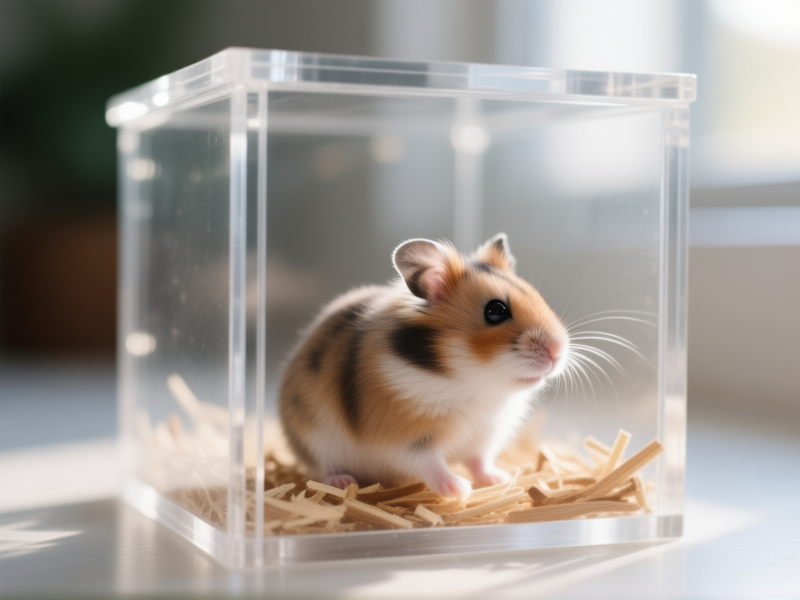
Look, let's get the obvious one out of the way first. The main reason anyone even *thinks* about plexiglass or acrylic for a pet cage is the view. It's like 4K for your hamster. Wire bars? They're charming, sure, but they chop up the picture. With a clear acrylic panel, you get an unobstructed, front-row seat to your tiny overlord's nightly antics. You see the burrowing. The food-hoarding. The dramatic pauses on the wheel. It turns a cage into a diorama. For observing behavior or just for the sheer joy of watching a tiny creature exist, clear enclosure panels win. Hands down.
No More "Houdinis": The Solid Security of Acrylic
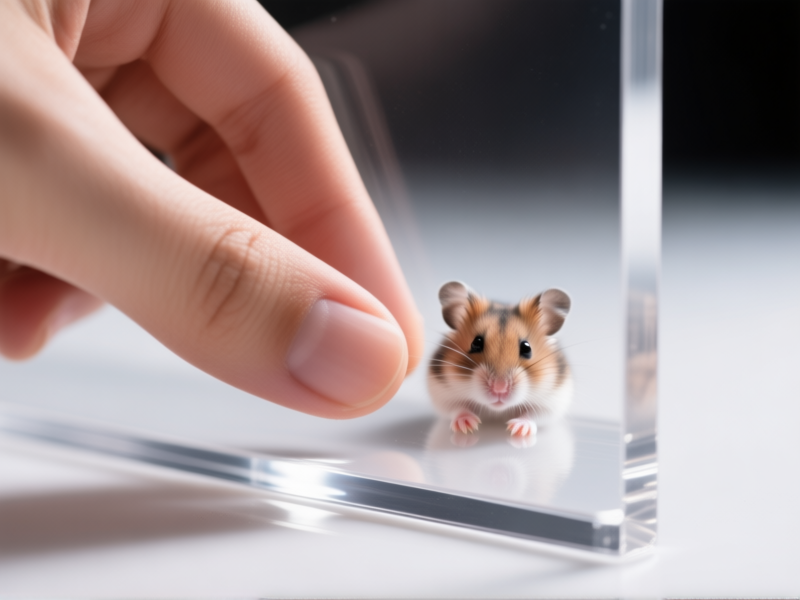
Wire cages have a problem: determined little climbers and chewers. Young rats? Escape artists. Bored rabbits? Wire-gnawers. A good, thick piece of acrylic laughs in the face of these plans. It's a solid, monolithic wall. There are no tiny gaps for a mouse to squeeze through, no thin bars for a chinchilla to start grinding its teeth on. For smaller critters like hamsters or mice, this is a huge win for safety and peace of mind. You don't go to bed wondering if you'll find your pet doing laps around the kitchen floor at 3 AM. Acrylic safety for pets often comes down to simple physics: no holes means no escapes.
The DIY Dream: Building Your Vision, One Panel at a Time
This is where the hobbyist's heart beats faster. Wire cages are what they are. But with plexiglass? You're the architect. Those wild, multi-level hamster palace ideas from Pinterest? They start here. DIY plexiglass projects let you build to *your* space--a perfect fit for that odd shelf, a custom shape for a corner, a massive panoramic enclosure you couldn't buy anywhere. You can integrate tubes, platforms, and tunnels directly into the walls. It's infinitely customizable. The trade-off, of course, is that *you* have to build it. It's not a "snap-and-go" solution. It's a project. But for the right person, that's the whole point.
The Fog of War: The Cleaning Conundrum
Alright, time for some real talk. That gorgeous clarity? It's a double-edged sword. Every single nose smudge, every dusty paw print, every... let's call it "organic residue"... shows up with stunning HD fidelity. Cleaning acrylic isn't hard, but it's *constant*. Use the wrong cleaner (anything ammonia-based like Windex) and you'll fog or crack it. Scrub with a paper towel? Congrats, you just added a galaxy of fine scratches that will forever catch the light and look cloudy. You need soft microfiber cloths and specific plastic cleaners. It's a commitment. It goes from "crystal-clear view" to "why does this look so dirty already?" in about six hours.
Breathing Easy? The Ventilation Issue Nobody Talks About
Here's the big one. The thing that turns a pro into a major con if you're not careful. Solid walls trap air. And heat. And humidity. And ammonia from urine. A basic plexiglass hamster cage with a solid lid is basically a tiny greenhouse of doom. Proper ventilation is non-negotiable. This usually means your DIY project *must* have a large, secure mesh top for air exchange. You can't just slap a lid on a fish tank and call it a day. Stale air leads to respiratory infections—a top killer of small pets. So if you're building, design the airflow first. The view is worthless if your pet is breathing in a toxic cloud.
The Scratch Saga: Wear, Tear, and the Battle Against Cloudiness
Acrylic is tough, but it's not armor. It scratches. It scratches when you slide the habitat on a table. It scratches when you clean it a bit too vigorously. And if you have a pet that likes to gnaw on *everything*? They can absolutely leave chew marks on the edges or corners. Over time, these micro-scratches accumulate, diffusing the light and making your once-pristine view look perpetually hazy. You can polish some out with a plastic polishing kit (another chore), but deep gouges are forever. Unlike glass, which stays clear under abuse, acrylic shows its history. It ages. You have to be okay with that, or be insanely, obsessively careful.