The Rolling Cart Combo: A Mobile Cat Tree & Hamster Cage Station
The Pet Clutter Conundrum: Tired of Tripping Over Habitats?
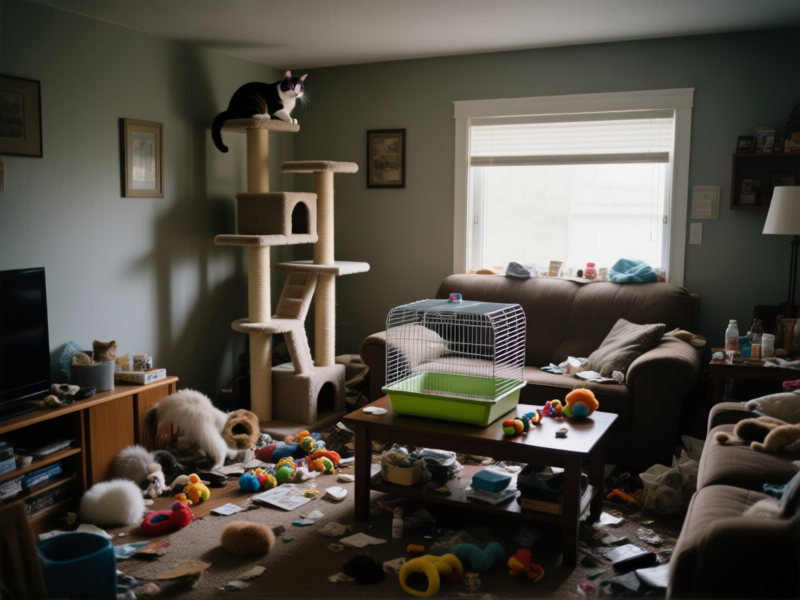
Let's be real. Loving small critters often means surrendering square footage. That cat tree becomes a permanent, carpeted monument. The hamster cage claims prime real estate on the only shelf it fits. Your living room starts to feel less like a lounge and more like a petting zoo annex. It's a common headache. But what if you could pack most of that animal infrastructure onto one neat, mobile platform? That's where the rolling cart combo comes in. It's not just furniture; it's a reclaiming of territory.
Why a Rolling Base is a Total Game-Winner
Static furniture is, frankly, a bit last decade. Wheels change everything. Sunbeam chasing a patch of light? Roll the whole station over. Need to deep clean? A gentle push moves the entire pet ecosystem out of the way. Hamster keeping you up at night? Just wheel his bedroom (gently) into another room. The mobility is the killer feature. It turns a bulky obligation into a dynamic part of your home that adapts to your life, not the other way around. Locking casters are non-negotiable, though. Safety first.
Building Your Combo: The DIY Breakdown
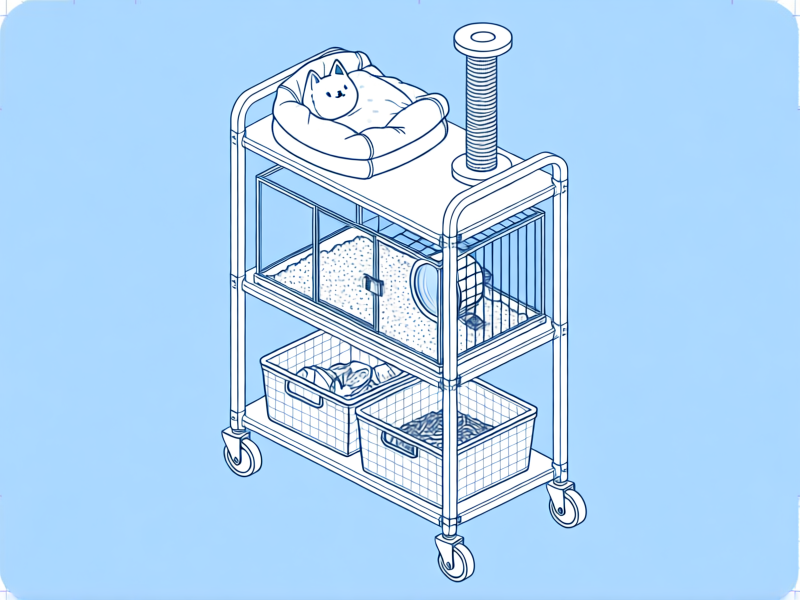
Here's the fun part. You don't need to be a master carpenter. Start with a stout industrial-style utility cart. Metal is ideal. Three tiers is the sweet spot. The top becomes the cat's domain: bolt on a sturdy post and wrap it with sisal rope for scratching. Leave space for a plush bed. The middle tier is for the small furball. Choose a cage that fits the footprint *perfectly*—no overhang. Acrylic or a high-quality wire cage works. The bottom shelf is for all the stuff: food bins, toy storage, extra bedding. It's about vertical efficiency.
Pet-Centric Design: Keeping Everyone Happy (and Safe)
This isn't just stacking boxes. You have to think like your pets. For the cat, ensure the whole structure is rock-solid and won't tip if they launch themselves at it. Anchor it to the wall if you have a heavyweight acrobat. For the hamster, vibration is the enemy. Use a foam padding layer between the cage and the metal cart shelf to dampen any bumps or rolls. Make sure the cage door has clear, unobstructed access for you. And consider a small, secure lip on the cat's level to prevent toys from becoming airborne projectiles aimed at the hamster's roof. Peaceful coexistence in layers.
Beyond the Basics: Making it Yours
The standard model is just the beginning. This is where you personalize. Paint the metal frame to match your vibe. Add fairy lights around the hamster cage for a night-light effect. Swap the cat bed for a hanging pod. Use chic woven baskets for storage on the bottom. The cart itself becomes a piece of your decor. And its portable nature means you can involve your pets in different parts of your day—rolling the station into the home office for companionship, or by the window for a superior bird-watching session. It's functional art that happens to house your friends.
So grab a cart, some bolts, and a weekend. Your floorspace will thank you.