The Room Divider Combo: A Functional Pet Habitat That Separates Space
The Problem Your Sofa Isn't Solving
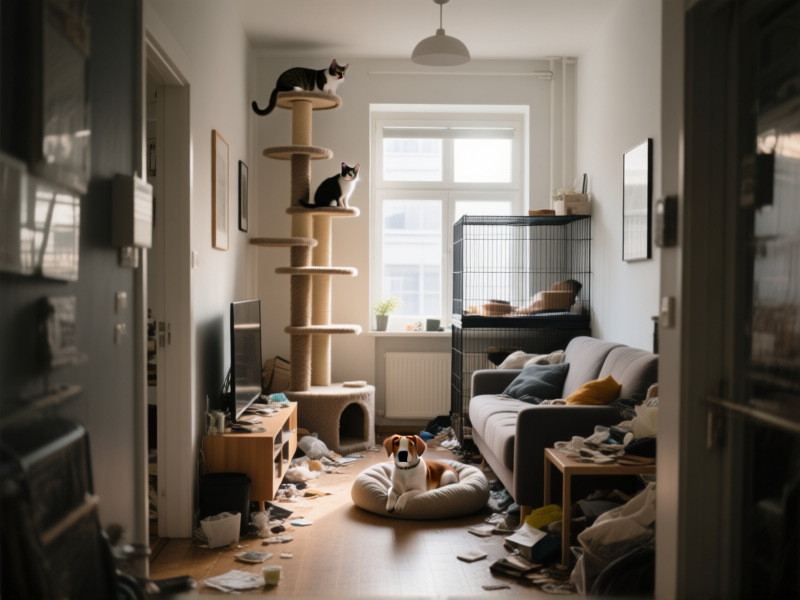
Let's be real. Pet stuff takes over. That cat tree is a monolithic eyesore. The crate eats up half your living room. You're not messy; you're just sharing your home with a furry roommate who doesn't care about interior design. But what if the thing you want—a way to carve out a home office or divide a studio—could be the thing your pet wants? That's the shift. Instead of fighting for space, you build the solution that handles both.
More Than a Wall: The Anatomy of a Habitat-Divider
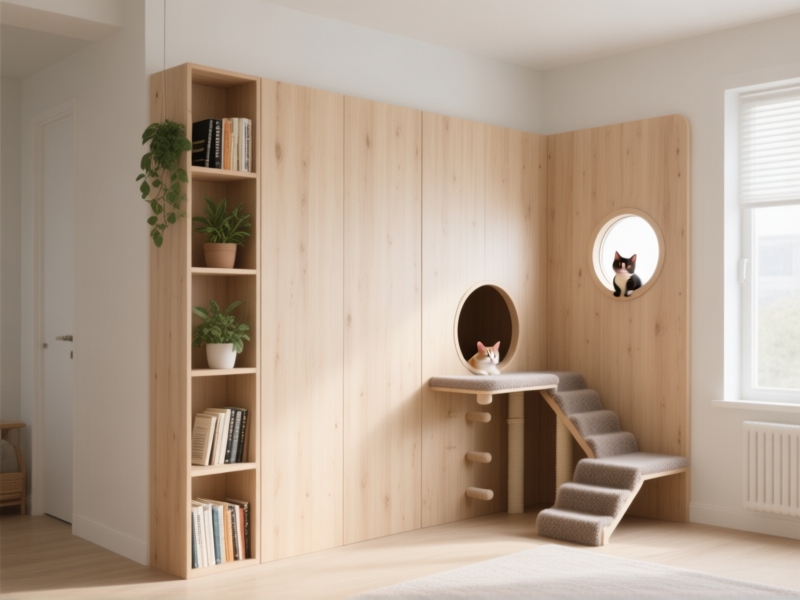
This isn't a bookshelf with a hamster cage plopped on top. A true combo starts with structure. Think sturdy, weight-bearing frames. On the "human side," you might get clean shelves, a plant display, or even a vertical garden. Flip it around. That's where the magic happens. Integrated perches at varying heights. Scratching posts that are actually structural columns. A cozy, enclosed cubby built right into the base. It's not furniture *and* a habitat. It's one single, intelligent object serving two masters.
Space is a Vertical Game
Floor space is prime real estate. So stop thinking horizontally. Your walls are empty territory. A room divider combo uses the Z-axis—the up-and-down one. By stacking functions vertically, you create zones without swallowing the room. Your cat's aerial highway becomes the visual barrier that defines your dining area. The rabbit's secure enclosure at the bottom adds solid mass. You reclaim the floor for, you know, walking.
Pet-Centric Design (That You'll Actually Like)
It has to work for them, or it fails. Period. That means understanding pet psychology. Cats need to survey their kingdom from on high. Small animals need hideouts and separate zones for eating, sleeping, and playing. Birds need secure, well-ventilated space. The trick is baking those needs into a form that's *pleasing* to you. No more garish carpet colors. Think natural materials, cohesive color palettes, and shapes that complement your decor. Your pet doesn't want a plastic spaceship. They want interesting terrain. You want something that doesn't make you cringe when guests come over.
The DIY Blueprint: Where to Start
Don't panic. You don't need to be a master carpenter. Start with the "bones"—a premade, solid shelving unit or a simple frame built from 2x4s and plywood. The add-ons are where you customize. Attach carpet scraps or sisal rope to sections for scratching. Bolt on prefab cat perches or small animal shelves. Use sturdy lattice or acrylic panels to create safe, ventilated enclosures. The core idea is simple: build your divider, then *layer* the habitat functions onto it. Measure your pet. Plan their route. Build it stout enough to not wobble when they launch off it. That's the whole recipe.