The Truth About Pressure-Treated Lumber in Pet Furniture
The Wood Under Your Hands: Isn't All Lumber The Same?
You pick up a piece of wood. It's solid, smells vaguely like a hardware store. Feels right. But here's the thing – that innocent-looking 2x4 could be a chemical cocktail, and if you're building a pet bed or a raised garden bed your bunnies can nibble from, that matters. Not all lumber is created equal. Some of it is, frankly, engineered to fight termites and rot decades in the ground. And that power comes with problems.
Decoding "Pressure-Treated": What's Really In There?
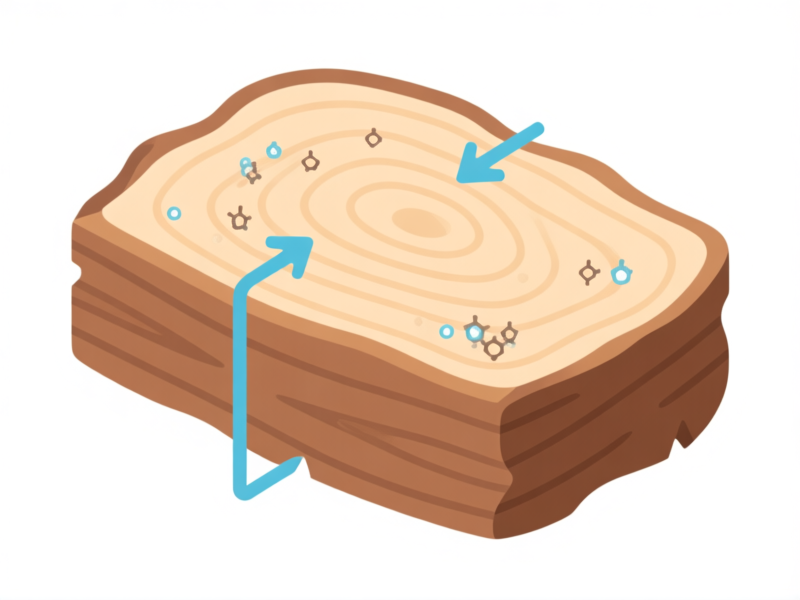
So what *is* pressure-treated (PT) lumber? It's not magic. They put regular wood in a giant vacuum chamber, suck out the air, then force chemical preservatives deep into the fibers. For years, the go-to chemical was chromated copper arsenate (CCA). Yep, arsenic. Copper and chromium, too. They switched the formula for residential use, but the new stuff (like alkaline copper quaternary, or ACQ) is still heavy on the copper. The goal is to poison any fungi or insects that try to eat it. Makes you think, right?
Why It's a Problem for Pets (And Kids, And You)
Pets live close to the ground. They chew things. They lick their paws. That adorable habit of gnawing on a corner of their doghouse? That's a direct line to those chemicals. Arsenic is a known carcinogen. Copper isn't great in high doses either. And it's not just chewing. Think about a dog bed on a PT wood platform. Dust from the wood, moisture from a spilled water bowl... it can create a scenario where chemicals slowly leach out. You wouldn't let them drink from a puddle in a parking lot. This isn't far off.
The Leaching Myth Buster: Does It Ever Stop?
Some folks say, "Oh, it's fine once it dries out." Or, "They sealed it, it's safe." Here's the brutal truth: leaching is a forever process. It slows down, but rain, snow, UV degradation, and physical wear (like claws scratching the surface) will keep releasing bits of those preservatives over the *entire lifespan* of the wood. Sealing it helps, but a sealer isn't a permanent, impermeable force field. It wears off. It cracks. Do you really want to bet your pet's long-term health on the integrity of a coat of sealant you applied three summers ago?
Safe & Awesome Alternatives for Your Next Build
Okay, enough doom and gloom. The good news? You have fantastic, non-toxic options. For outdoor projects, you can't beat naturally rot-resistant woods like **cedar** or **redwood**. They smell amazing and bugs hate them. For indoor furniture, **pine**, **poplar**, or **oak** are perfect. A bit more expensive than PT pine? Sometimes. Worth the peace of mind? Absolutely. It's a simple switch. Use the right wood for the right job. PT wood's job is to be a fence post or a deck joist, not a hamster's high-rise.
Your DIY Safety Checklist: Building Without the Baggage
Let's get practical. 1. **Ask at the lumber yard.** Be that person. Say, "I need wood for a pet project – what's NOT pressure-treated?" 2. **Look for stamps.** PT wood is almost always stamped with info and retention levels. No stamp? Probably safe, but ask. 3. **Go natural.** Choose cedar, redwood, or quality pine. 4. **Finish smart.** Use a pet-safe sealant or finish like hardwax oils or water-based polyurethanes labeled for children's toys. Your project will be safer, look better, and honestly, feel more rewarding. You built it with love. Start with materials that prove it.