The Ultimate Wood Guide: Safe vs. Toxic Woods for Cat Trees & Cages
Why Your Pet's Wood Choice Isn't Just Decor
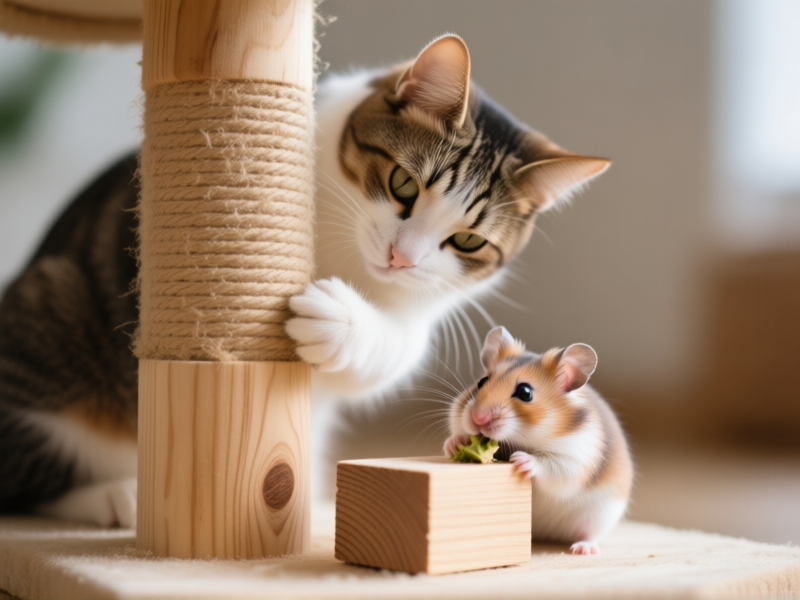
Look, when you're building a cat tree or a hamster cage, you're not just picking furniture. You're picking what your pet breathes, scratches, and chews on every day. Get it wrong, and you're inviting trouble. Actually, it's worse than that. Some woods can straight-up poison your cat or tiny rodent. Here's the thing: that gorgeous dark cedar everyone loves? Might be a problem. Let's break it down.
The Good Stuff: Woods That Won't Harm Your Furry Friends
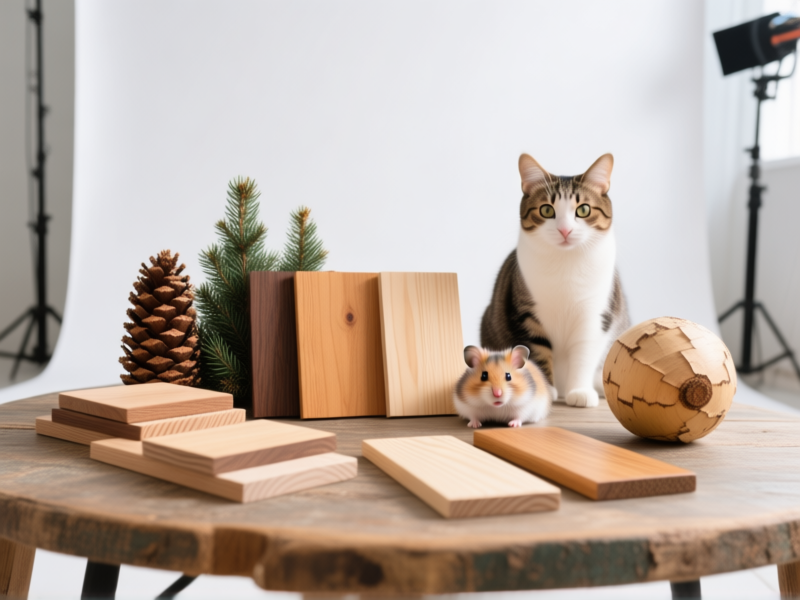
Okay, breathe easy. Plenty of woods are perfectly safe. We're talking about common, inexpensive stuff. Pine and fir are your go-tos for most DIY projects. They're soft enough for claws but sturdy. Poplar and maple? Also great choices. For small critters like hamsters, aspen is the gold standard. It's soft, splinter-free, and totally non-toxic. The key is that these woods are generally inert. They don't ooze nasty resins or contain natural chemicals that attack a pet's liver. Simple. Effective.
The No-Go List: Woods That Are Pure Poison for Pets
Now for the scary part. You need to know this list by heart. Cedar and pine *shavings* or *essential oils* are a big no. Especially for small animals. The phenols can cause respiratory and liver damage. Walnut? Toxic. Cherry, oak, and black walnut woods contain compounds that can mess with your pet's insides. Yew, oleander, and any treated or painted wood are absolute killers. Don't even have them in the workshop. I've seen well-meaning folks use old furniture scraps. Bad idea. If you're unsure, just don't use it. Period.
Skip the Chemicals: Why "Raw" Wood is the Only Way
This is non-negotiable. You want untreated lumber. That pressure-treated wood at the home center? It's soaked in copper, chromium, and arsenic to fight rot. Your cat will lick it. Your hamster will chew it. You see where this is going. "But it lasts longer!" Sure, and it can last longer in your pet's bloodstream. Stick to kiln-dried, plain, raw wood. No stains, no paints, no varnishes unless they're explicitly labeled pet-safe and fully cured. The natural, rough look is safer. And honestly, it's cheaper.
Gnawing Guards: Woods Safe for Your Pet's Teeth
Rodents need to chew. It's not a hobby; it's a biological imperative. So giving them the wrong stick is like handing them a cigarette. For chewing, think soft and splinter-free. Aspen is the superstar again. Apple, pear, and willow branches (from unpesticided trees) are also fantastic. Just bake them in the oven first to kill any bugs. Avoid anything too hard like oak or mystery wood from the backyard. You want it to wear down their teeth, not splinter and cause internal damage. Simple rule: if it's safe for them to live on, it's safe for them to chew on.
Your 5-Minute Wood Picking Checklist for DIY Projects
Before you buy, run down this list. Is it a known safe species? Pine, fir, poplar, aspen. Check. Is it completely untreated and unpainted? Raw and natural. Check. Is it sanded smooth to prevent splinters? Grab some sandpaper. Check. For small animals, is it soft enough for chewing? Aspen or apple wood. Check. Finally, does it smell strongly? A strong aromatic scent often means volatile oils. Put it back. That's it. Go build something awesome.