Using Vertical Space to Give Hamsters a Sense of Security
Your Hamster Isn't Just Lazy. It's a Fugitive.
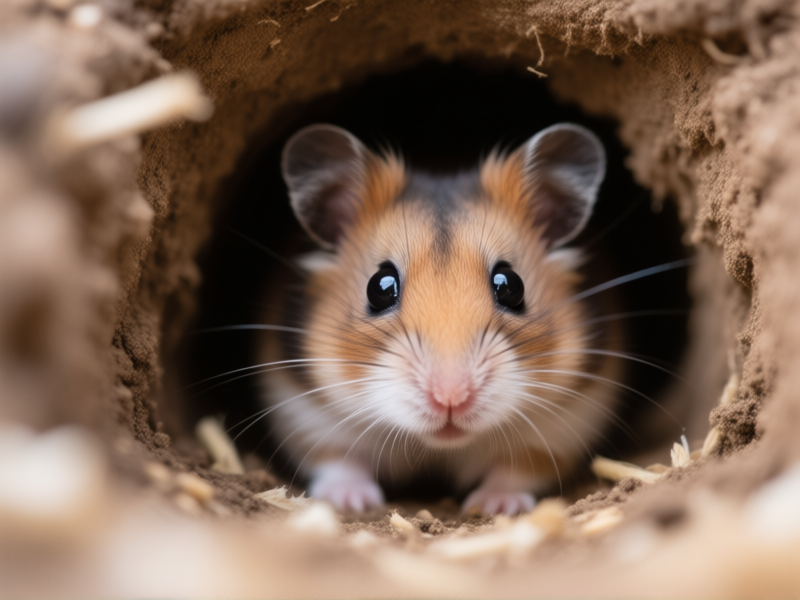
Let's get real for a second. You watch your hamster scuttle on its wheel, stuff its cheeks, and think, "What a chill little life." But that's not the whole story. Every single hamster is hardwired with one terrifying reality: it's lunch. In the wild, everything from hawks to foxes wants a piece. That anxiety doesn't just vanish because you bought a cute cage. That instinct to hide, to get off the ground, to find a vantage point? It's screaming inside them 24/7. A flat cage with a single hut on the floor isn't a home. It's an open field with one pathetic shrub for cover.
Stop Thinking Floor Plan. Start Thinking Skyscraper.
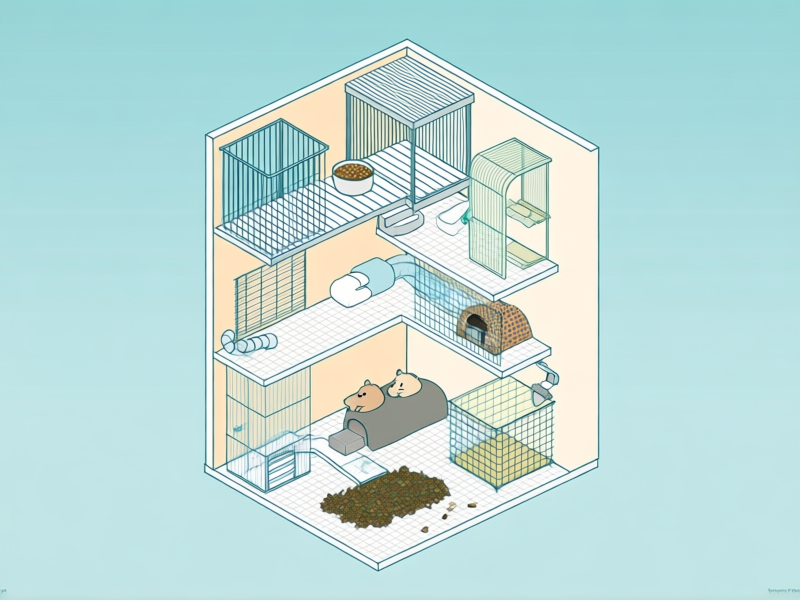
Here's the thing. You can't remove the fear. But you can build an environment that speaks to it. This is where vertical space isn't a luxury; it's basic security. Think about it. In nature, safety is up. It's in the tree hollow, the rocky crevice on a cliff face. Your job is to recreate that hierarchy. A multi-level design gives your hamster options. When it feels exposed, it can retreat to a high hideout. It can survey its territory from an elevated platform. This isn't about cramming more stuff in—it's about giving them control. It transforms their world from a vulnerable plane into a complex landscape where they can choose their comfort level.
Forget the Basic Hut. Build a Penthouse Suite.
That little plastic igloo from the pet store? It's a start. But it's on the ground, the most vulnerable spot. Elevated hideouts are the game-winners. Attach a coconut shell or a wooden box to the cage bars halfway up. Use a platform and put a hide on top of it. The goal is a secure, enclosed space that's *up*. This becomes their true sanctuary. It's the difference between hiding under your bed during a storm and being safe in a basement. They can sleep, stash food, and just exist without that nagging feeling that something might sneak up. You'll notice they spend more time in these high hides. That's not a coincidence. It's a hamster finally feeling safe.
Ramps, Ladders, and Bridges: The Commute to Calm
Access is everything. You can't just plop a platform up high and call it a day. They need a way to get there that feels secure. Wide ramps are better than steep ladders. Bridges between platforms work great. Use solid surfaces instead of wire mesh for their little feet. This network of pathways turns cage exploration into a confident journey, not a risky dash across open ground. It encourages natural behaviors—climbing, surveying, patrolling. Watch them. They'll have preferred routes. They'll pause on a ramp to scan the room. This is them using the architecture you provided to manage their own stress levels. It's behavioral enrichment in its purest form.
The Proof is in the Peaceful Popcorn
So what happens when you get this right? The anxious scratching at the corners? It lessens. The frantic attempts to escape every time you walk by? They fade. You'll see more relaxed roaming, more curious sniffing, and longer, more peaceful periods of rest. They become bolder in their explorations because they have a reliable safety net—their vertical fortress. Their energy goes into playing, foraging, and being a weird little hamster, not just into pure survival stress. You're not just building a cooler cage. You're directly dialing down their innate anxiety. And that's the whole point, isn't it?