Weight Capacity Calculations: Ensuring Your Structure is Safe
The Math Your Cat Can't Do: Why "It Looks Sturdy" Isn't Enough
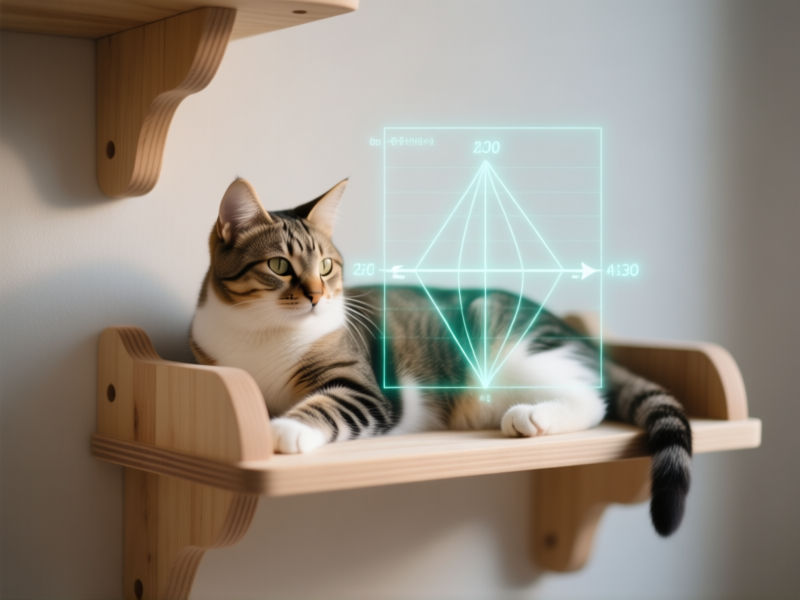
We've all been there. You build something, give it a solid shake, and think, "Yeah, that'll hold Fluffy." Bad plan. Your cat isn't a static decoration. They're a launch-and-land system with zero regard for physics. That cute shelf you built? It's not just holding a 12-pound cat. It's absorbing the impact of a 12-pound cat rocket-propelling itself from the floor at 3 AM. Guessing isn't a safety feature. Let's talk numbers instead of just hoping.
Forget Dead Weight: It’s All About the Live Load

Here's the core concept you need: dead load vs. live load. Dead load is the weight of the furniture itself. The wood, the screws, the carpet. Easy. Live load is everything you put on it. Your cat napping? That's a live load. Your cat deciding the top platform is the starting line for the Kitty 500? That's a dynamic live load, and it's the real test. You must design for the maximum potential force, not just the sleeping weight. A 15-pound cat can generate over 60 pounds of force on landing. Seriously. Build for the chaos, not the calm.
The 4x Safety Factor: Your DIY Insurance Policy
So your cat plus potential craziness equals, let's say, a 50-pound design load. Good. Now, multiply that by four. Your hardware and joints need to handle 200 pounds. Why? Because wood isn't perfect. Screws can be installed slightly off. That carpeted post might have a hidden knot. The 4x safety factor (engineers call it a factor of safety) covers the unknowns. It's your admission that you're not a factory robot. If a bracket says it holds 50 pounds, it's your job to only ask it to hold 12. This margin is what keeps things from just barely holding to being bombproof.
Connections Are Everything: The Weakest Link Rule
The strongest board in the world is useless if it's attached with hope and a single nail. Joints are where structures fail. Butt joints are basically a polite request for the wood to stay together. Use brackets. Use proper wood screws (not drywall screws!). Think in triangles—they're nature's favorite shape for a reason. A triangular brace fights racking, that side-to-side wobble that slowly destroys everything. A well-braced joint is a happy joint. A weak joint is a story you tell at the emergency vet.
Stress-Test Like a Cat (But Politely)
Before you let the feline QA team loose, do your own testing. Lean on it with all your weight. Push it from the side. Try to wiggle it. If you hear creaking, groaning, or the sound of screws protesting, you failed. Go back and reinforce. A good structure feels solid, not springy. It should feel boringly immovable. That's the goal. The ultimate test isn't your 180-pound self, of course. It's that first confident, airborne pounce from your cat. When they stick the landing and just curl up for a nap, that's your A+.