Wire Mesh Selection: Proper Gauge & Spacing for Hamster Safety
Don't Let Your Hamster Become a Houdini

Listen, we've all seen it. That cute little face smooshed against the bars, whiskers twitching. It's tempting to think, "Aw, he's exploring!" But here's the thing: that curious sniffing is a prelude to a jailbreak. Or worse, a tragedy. If that noggin can fit through, the rest of the hamster will follow. And if it gets stuck? Let's not go there. Wire mesh is your number one defense, and getting it wrong is the single biggest mistake you can make.
<0.5 Inches or Bust: The Bar Spacing Rule
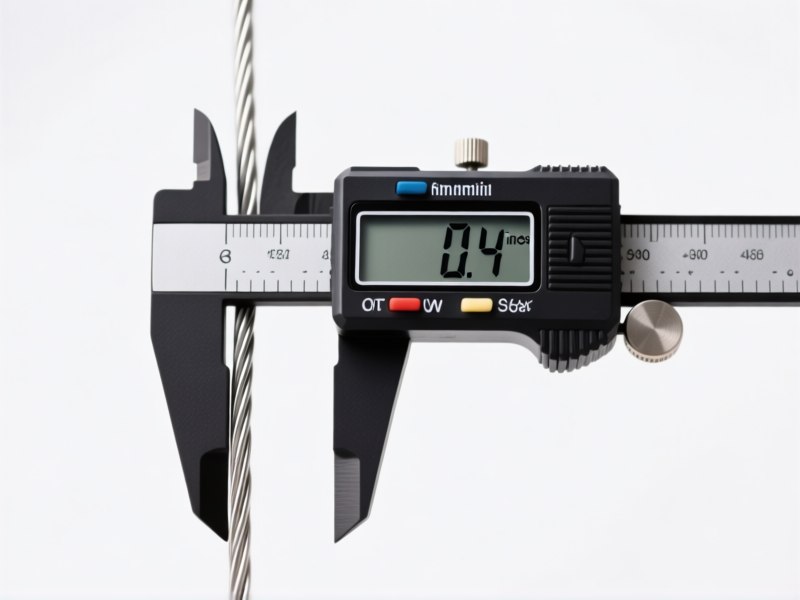
Forget the fancy marketing. The math is brutally simple. For Syrian hamsters, the absolute maximum bar spacing is half an inch. Actually, let me be clearer: aim for 3/8" or 10mm. Dwarf hamsters? They're tiny escape artists. You need 1/4" maximum. The best cages? They use 3/8" for Syrians and don't even offer mesh for dwarfs. If you're shopping and the numbers aren't listed? Walk away. It's not worth the gamble.
Gauge That Wire: It's Not Just About Escape
Okay, so the gaps are tiny. Great. But what if the wires themselves are as thin as a paperclip? That's where gauge comes in. Think of it as wire thickness. A lower number means thicker, stronger wire. You want 14-gauge or lower (like 12 or 10). The cheap stuff is often 16-gauge or higher. Thin wire bends. It sags. A determined hamster will chew through it. It feels flimsy. Your cage should feel like a fortress, not a temporary fence.
Galvanized vs. Powder-Coated: The Finish Fight
This is where DIY builders get tripped up. Galvanized wire is coated in zinc. It's rust-resistant and strong. But. And it's a big but. If a hamster chews on it, they ingest zinc. Not good. Powder coating is a plastic polymer baked onto the metal. It creates a smoother, often colorful barrier. Safer for chewing. The problem? Cheap powder coat chips. Once the metal is exposed, it can rust. For a store-bought cage, quality powder coat wins. For a DIY project? You can use galvanized, but you must cover every single chewable edge with safe sealant. No shortcuts.
Your Cheat Sheet for Actually Buying Mesh
Feeling overwhelmed? Don't. Here's your no-BS shopping list. If you're building or modifying: ask for "hardware cloth" or "welded wire mesh." Specify the gauge (14 or thicker) and the spacing (1/4" or 3/8"). Touch it. It should not flex easily. For a pre-made cage, your job is to be a detective. Scour the product description for the exact numbers. If they only say "narrow spacing," assume it's wrong. Email the company. A good brand will be proud of their specs. A shady one won't reply. That's your answer.